Your Guide to Getting a New Roof
Investing in a new roof is one of the most important decisions you’ll make for your home. It protects your family and your biggest investment from the harsh weather in Massachusetts and New Hampshire. But where do you even start?
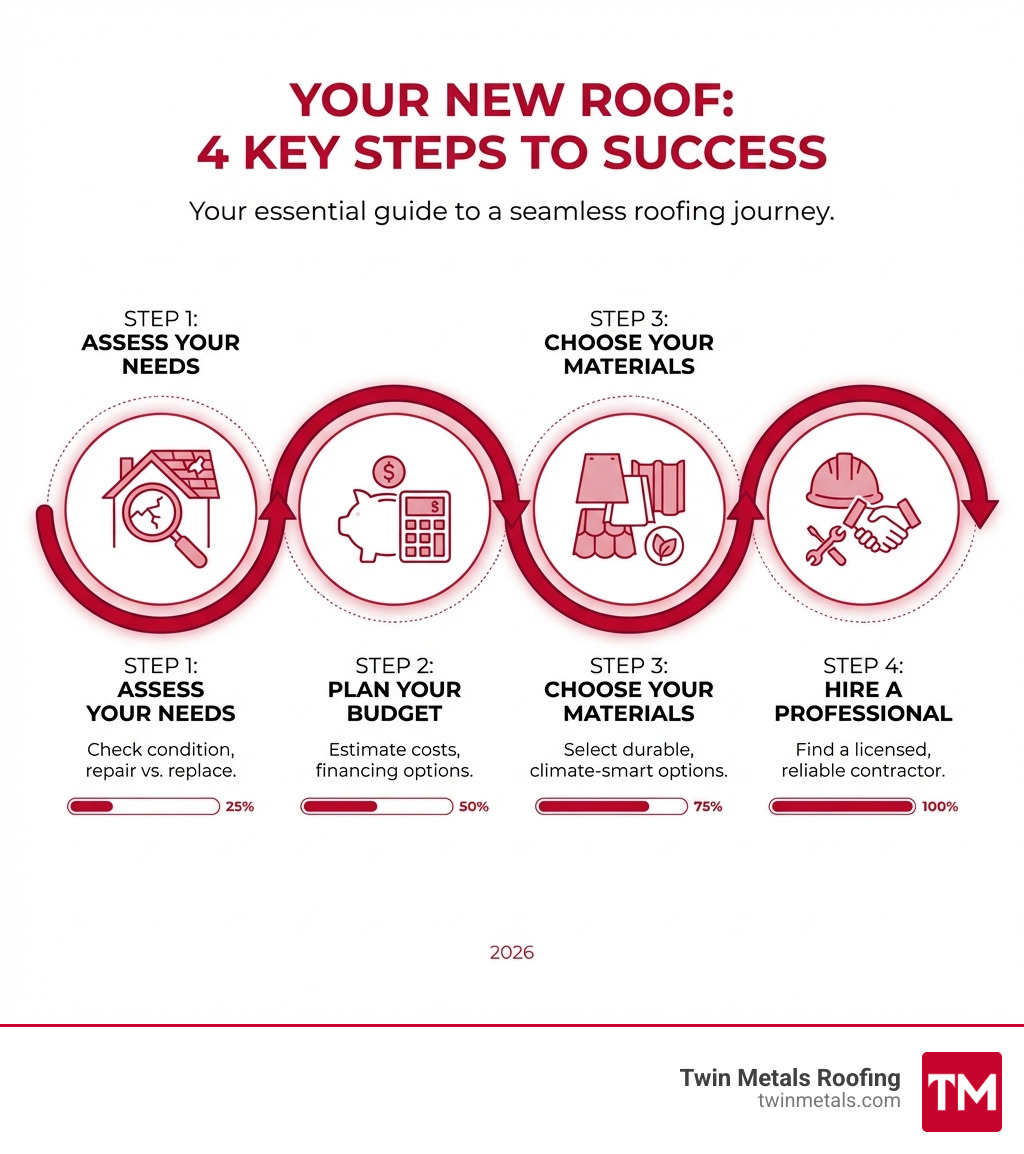
To steer the process of getting a new roof, focus on these key steps:
- Assess Your Roof’s Condition: Determine if repair or replacement is truly needed.
- Understand Costs: Learn what factors influence the price and what to budget for.
- Choose Materials: Select the best roofing material for your home and climate.
- Hire a Professional: Find a reliable, experienced contractor to do the job right.
This extensive guide simplifies what might seem like a complex journey. We’ll walk you through everything you need to know, from spotting the first signs of wear to selecting the perfect materials and finding a trusted professional. Our goal is to help you make informed choices, ensuring your home stays safe, comfortable, and beautiful for years to come.
Step 1: Is It Time for a New Roof? Repair vs. Replacement
Before you even think about materials or contractors, the first step on your checklist is to determine if you truly need a new roof or if a repair will suffice. Our roof is our home’s first line of defense, constantly battling scorching sun, pounding rain, heavy snow, and fierce winds. Over time, this takes a toll, and knowing the warning signs is crucial.
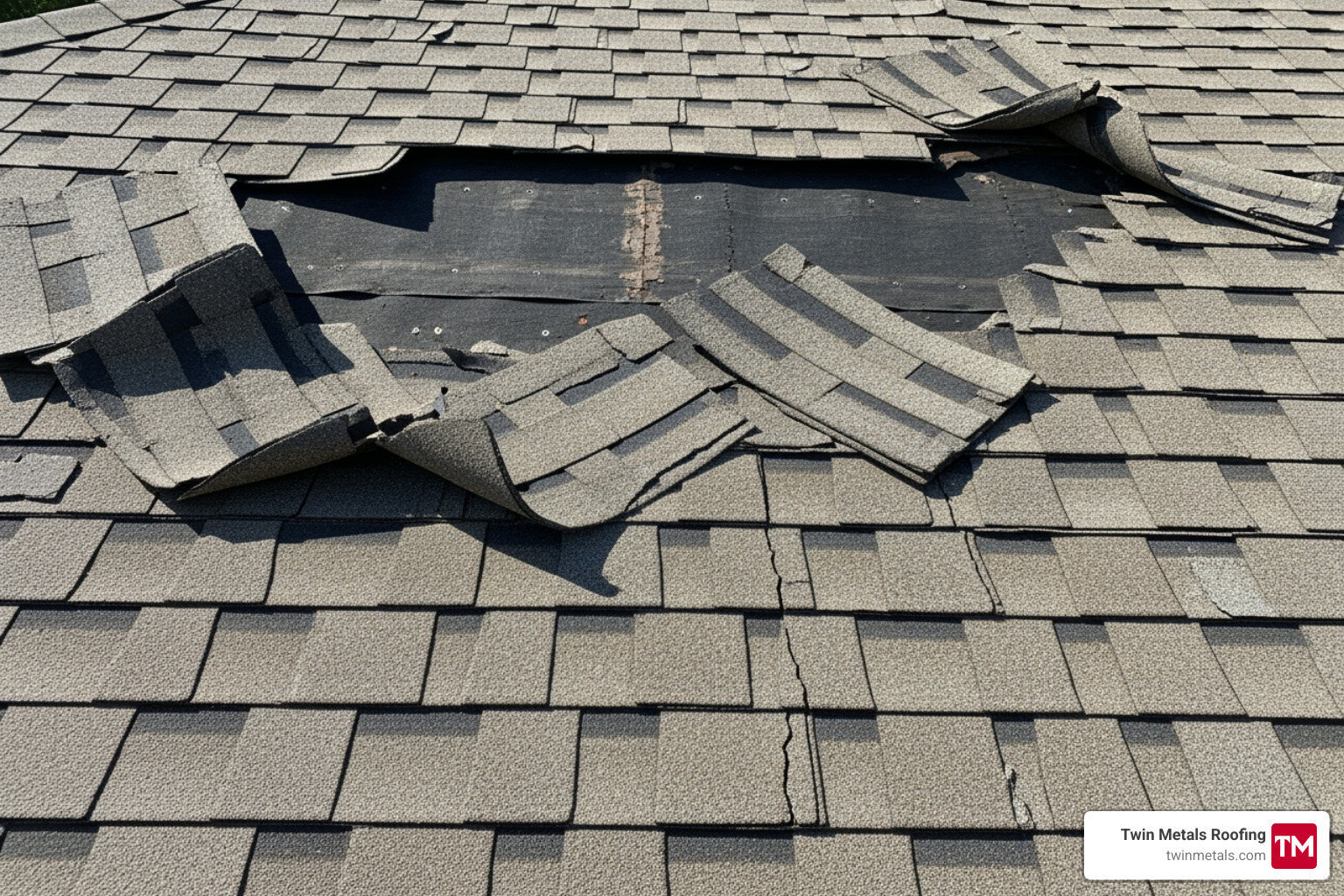
Keep an eye out for both exterior and interior clues. On the outside, visible damage like curling, cracked, or missing shingles is a clear indicator that your roof needs attention. Look closely at the flashing around chimneys, skylights, and vents for any damage or separation. These are common weak points where water can infiltrate.
Inside your home, the signs might be more subtle but equally alarming. Head up to your attic and look for damp areas, musty smells, or light shining through the roof boards. On your ceilings and walls, dark spots, water stains, or peeling paint are undeniable evidence of a leak. A sagging roof deck is perhaps the most serious warning sign and requires immediate professional attention. Ignoring these issues can lead to significant problems, from mold and mildew to structural deterioration, and could even impact your insurance coverage. Learn the silent signs your roof is damaged before serious problems develop. Regular checks can catch issues early, when repairs cost less and do more good.
A major factor in deciding between repair and replacement is your roof’s age. Basic asphalt shingles typically last about 20-25 years. If your asphalt roof is approaching or has exceeded this age, even minor damage might signal that it’s nearing the end of its lifespan. When the cost of repairs approaches 30% of what a new roof would cost, replacement usually makes more sense. Protecting your home’s structural integrity is paramount, and sometimes, a full replacement is the only way to ensure lasting protection.
When a Roof Repair Is Enough
Not every roof problem demands a complete overhaul. Sometimes, a repair is all that’s needed to extend your roof’s life and protect your home. Quick fixes often work best for small, isolated problems. If you have just a few missing shingles after a storm, or a minor leak develops around a specific section of flashing, a targeted repair can effectively address the issue. For newer roofs, generally under 10-15 years old, repairs are almost always the most cost-effective solution. While repairs usually cost under $1,000, new roofs run $8,000-$20,000 or more. Repairing damaged shingles or single leaks fast stops water from causing bigger damage.
Why a Full Replacement Is Often a Smarter Investment
While repairs have their place, a full replacement often proves to be the smarter, long-term investment, especially for aging roofs or those with widespread damage. If you’re noticing widespread granule loss (those little gritty bits from your shingles accumulating in your gutters), it means your shingles are losing their protective layer. Multiple or recurring leaks, which feel like playing “whack-a-mole” with water damage, are a strong sign that the entire roofing system is failing.
If your roof is approaching 20+ years old, especially if it’s asphalt shingles, a full replacement is often the most sensible choice. Basic asphalt shingles last about 20-25 years, and metal roofs go 40-70 years when well maintained. If your asphalt roof is approaching 20 years, repairs may only delay bigger issues. At this stage, a full replacement is often the smarter decision. Major problems like sagging sections, multiple leaks, or structural weakness demand a complete replacement. Trying to patch widespread damage often leads to endless repairs as problems keep spreading. Once water damages your roof’s structure, partial fixes rarely solve the underlying issues. A full replacement provides long-term peace of mind, improved energy efficiency, increased home value, and a fresh start with a robust, warrantied system.
Step 2: Decoding the Cost of a New Roof in Massachusetts & New Hampshire
Understanding the financial investment required for a new roof is a critical step in your checklist. Please note that the costs mentioned here are average ranges based on publicly available internet data and are not representative of our actual pricing. The exact cost for your project will depend on numerous factors specific to your home.
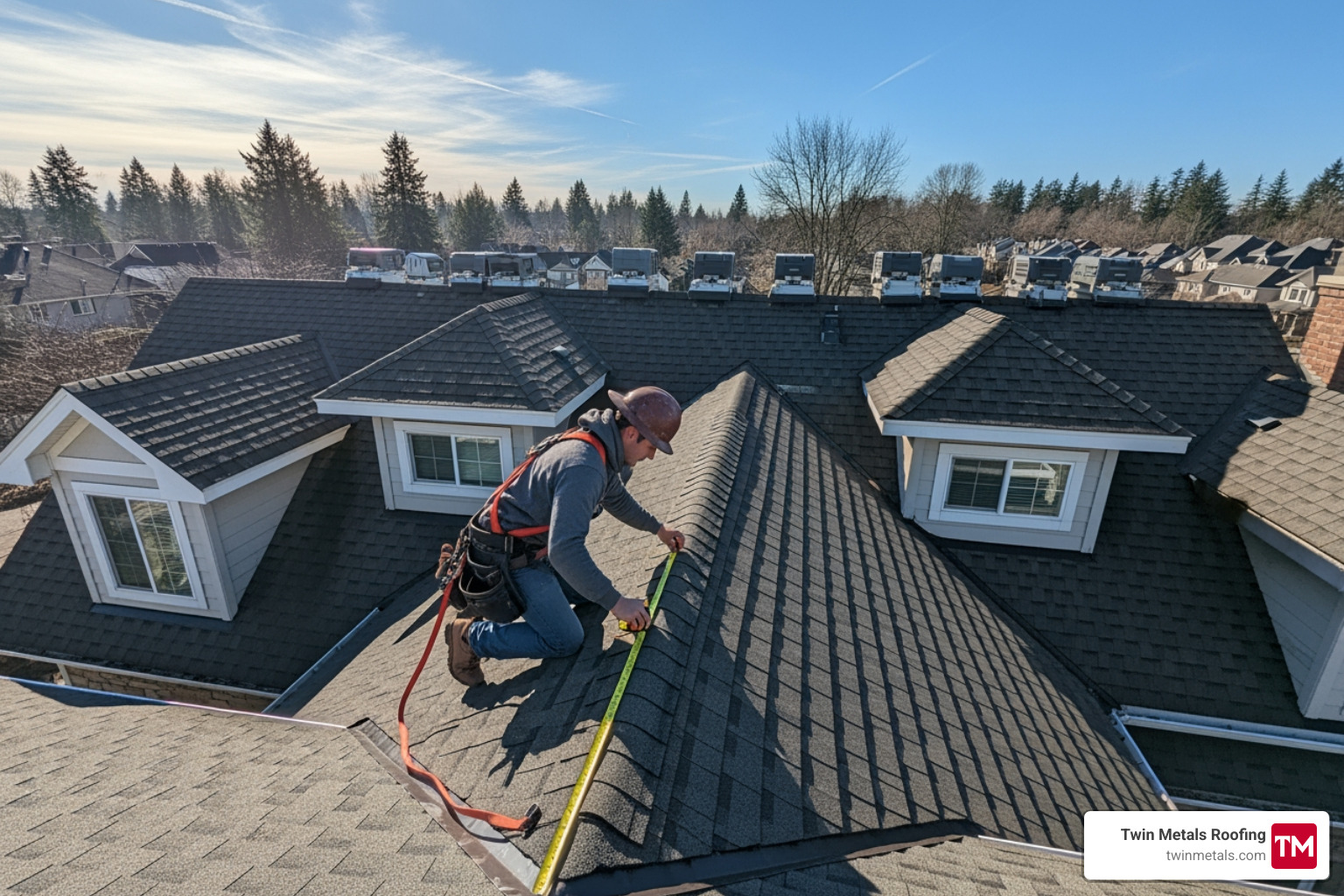
Based on general internet sources, a full new roof installation is often quoted around $18,000 on average, with smaller projects starting near $6,000 and high-end installations exceeding $55,000. These figures are broad, and your specific project will fall somewhere within this spectrum. Labor costs typically account for a significant portion of the total price, often ranging from 40-60%. Roofing contractors are often reported to charge in the range of $1.50-$3.50 per square foot in labour.
When considering options, you might hear about overlaying new shingles on top of existing ones. Overlaying a new roof on top of existing shingles can save $1,000-$2,500 in tear-off and disposal fees, according to general industry articles online. However, this shortcut is rarely recommended. It can trap moisture, add weight, and shorten the lifespan of your new roof, potentially affecting warranties. A full tear-off, which involves removing all existing layers down to the deck, allows the roofer to inspect and repair any hidden problems like rotting sheathing or damaged trusses, which can add $1,000-$4,000 to a project, or cost around $2-$4 per square foot to replace based on typical online estimates.
Disposal fees and permits are also common additional costs. Publicly available sources suggest disposal fees and permits can add $500-$1,500 to the overall cost of a roofing project. These are important to factor into your budget to avoid any surprises.
Key Factors That Influence the Cost of a New Roof
Several key factors will directly impact the final price of your new roof:
- Roof Size: The most straightforward factor is the total area of your roof, measured in “squares” (one square equals 100 square feet). A larger roof naturally requires more materials and labor.
- Roof Pitch and Steepness: A steeper roof means more challenging and time-consuming work for the crew. Steeper roofs can increase replacement costs by 20-30% due to the need for additional safety equipment, specialized techniques, and a slower installation pace.
- Complexity (Dormers, Valleys, Skylights): Simple, straightforward roofs are less expensive than those with intricate designs, multiple dormers, valleys, or skylights. A simple gable roof may add 10-15% more shingles, but a cross-gabled design can push material use up by 30% and increase labor costs by 15-25%. Each protrusion or change in angle adds complexity and requires careful, skilled work to ensure watertight seals.
- Your Choice of Materials: This is perhaps the biggest cost driver. Different roofing materials come with different price points and installation requirements, which we’ll discuss in detail in the next step.
Understanding Your Quote: What to Look For
When you receive quotes for your new roof, understand what you’re looking at. A good quote should be transparent and comprehensive.
- Itemized Breakdown of Costs: Request an itemized quote that clearly lists all expenses, including materials, labor, disposal, and any other services. This helps you know exactly what you’ll get for the money you’re spending and ensures all anticipated expenses are accounted for.
- Clear Distinction Between Labor and Materials: The quote should separate the cost of materials from the cost of labor. This allows you to compare material pricing and understand the labor investment.
- Tear-off and Disposal Line Items: Confirm that the cost of removing the old roof (if applicable) and disposing of the debris is clearly stated. This includes dumpster rental and landfill charges.
- Local Permit Fees: Ensure any necessary local permit fees are included in the quote. Most municipalities in Massachusetts and Southern New Hampshire require permits for roof replacements to help ensure compliance with building codes.
- Detailed Warranty Information: The quote should outline the warranties provided for both the materials and the workmanship.
Be cautious of quotes that seem significantly lower than others. An estimate that appears too low may be missing important line items or indicate a contractor who is cutting corners, perhaps by not being properly insured. Always get a written estimate and cost breakdown before work begins. These typical online prices are not the actual pricing of Twin Roofing; always speak directly with the contractor for current, project-specific costs.
Step 3: Choosing the Right Materials for Your New Roof
Once you’ve assessed your roof’s needs and understand the cost factors, the next step is to choose the right materials. This decision involves balancing aesthetics, durability, lifespan, and your budget, especially when considering the unique weather challenges of Massachusetts and Southern New Hampshire. Improved shingles resist winds up to 130 mph, while improved underlayment prevents ice dam damage. Waterproof barriers and proper ventilation protect against leaks and moisture problems. Multiple layers of protection guard against New England’s harshest weather.
| Material | Lifespan | Key Pros | Key Cons |
|---|---|---|---|
| Asphalt Shingles | 15-30 years | Most affordable, wide variety of colors/styles, easy to install, good performance in diverse climates. | Shorter lifespan compared to metal, can be susceptible to wind/hail damage over time. |
| Metal Roofing | 40-70 years | Exceptional durability, superior weather resistance, energy efficient, low maintenance, can increase home value. | Higher upfront cost, can be noisy during heavy rain, repairs can be difficult to match. |
Durability for New England weather is a primary concern. Our region experiences everything from heavy snowfall and ice dams to strong winds and humid summers. Some materials handle these better than others. Energy efficiency is also a significant consideration; modern roofing materials and proper ventilation can slash energy bills by up to 30% and reduce cooling costs by up to 15%. Don’t forget curb appeal! A new roof is a major visual component of your home and can significantly improve its overall look. Balancing lifespan with your budget is key to making a choice that serves your needs now and in the future.
The Popular Choice: Asphalt Shingles
Asphalt shingles remain the most popular roofing material in Massachusetts and Southern New Hampshire, and for good reason. They offer an unbeatable combination of affordability and value. Asphalt shingles are the most cost-effective roofing material, with an average lifespan of 15-20 years. We install asphalt roofs in MA and NH.
You’ll find a wide variety of colors and styles, allowing you to match your home’s aesthetic perfectly. Basic asphalt shingles typically last 20-25 years, while architectural shingles can last 30 years or more. They have a proven track record of performance in our diverse New England climates. For more information on this versatile option, explore our Residential Shingle Roofing services.
The Durable Option: Metal Roofing
For homeowners seeking exceptional longevity and superior performance, metal roofing is an increasingly popular choice. Metal roofs endure 40-70 years and cut energy bills significantly. Though pricier at first, metal roofs endure 40-70 years and cut energy bills significantly.
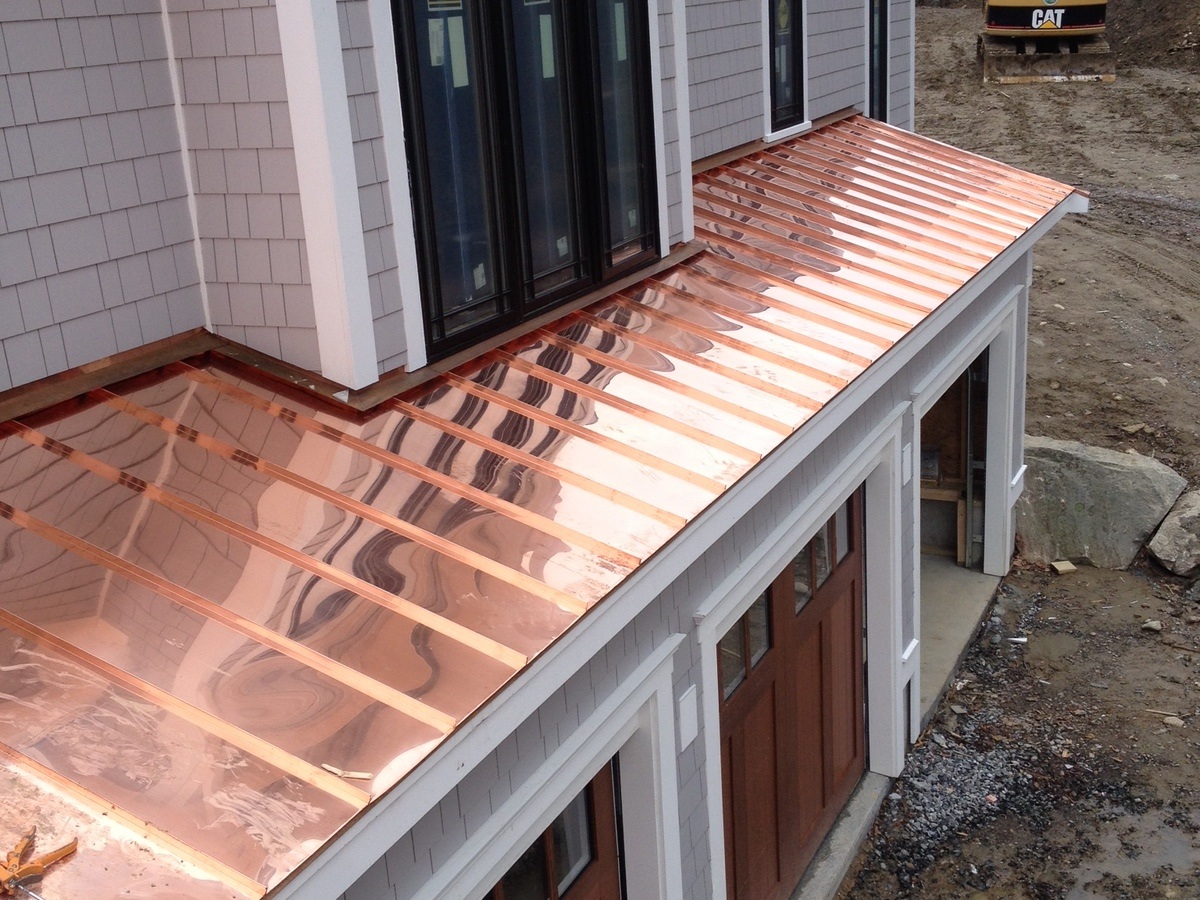
Metal roofs boast an exceptional lifespan of 40-70 years, often outlasting several generations of asphalt shingles. They offer superior resistance to snow, ice, and wind, shedding snow easily and standing up to severe weather. Beyond durability, metal roofs offer significant energy efficiency benefits, potentially reducing cooling costs by up to 15% and saving up to 25% on energy bills with optimized ventilation and solar reflective coatings. While the upfront investment is higher, metal roofing provides long-term performance, lower maintenance, and can even increase your home’s resale value by 4-6%. Learn more about this robust option on our Residential Metal Roofing page.
Step 4: Hiring the Right Professional for the Job
This is arguably the most crucial step in getting a new roof. While the allure of a DIY project might tempt some, installing a new roof is not a DIY weekend job. A DIY roof replacement can cost homeowners 30-40% more in the long run due to repairs from mistakes, not to mention the significant safety risks involved. Roofing work is dangerous, and professional roofers are trained, equipped, and insured to handle the job safely and efficiently.
The security of a professional installation cannot be overstated. A reputable contractor brings expertise, ensures safety, and provides valuable warranties. The importance of local expertise in Massachusetts and Southern New Hampshire is also key. Local roofers understand our specific building codes, climate challenges (like ice dams and heavy snow loads), and common architectural styles. Vetting contractors thoroughly is essential; check reviews, ask for references, and ensure they have a solid reputation. Verifying insurance and licensing is non-negotiable. Liability insurance is an absolute must when hiring a roofing contractor, protecting you in case your property is damaged and the contractor should an accident occur. Always ask for proof of insurance and confirm it is up-to-date and from a verifiable provider.
Critical Questions to Ask a Potential Roofing Contractor
To ensure you choose the best professional for your new roof, here are some critical questions to ask:
- Are you fully licensed and insured to work in my town/state? This verifies they meet legal requirements and protects you from liability.
- Can you provide a few local references for recent projects? Speaking with past clients can offer insights into their work quality and professionalism.
- What manufacturer and workmanship warranties do you provide? Understand what’s covered for both materials (e.g., 20-50 years) and labor (typically 5-10 years).
- Who is the on-site project manager for my installation? Knowing who to communicate with during the project ensures smooth operations.
- What is the estimated timeline for my project, from start to cleanup? A clear timeline helps you plan and minimizes disruption.
Why a Professional Is Essential for a New Roof
Hiring a professional roofing contractor is essential for several reasons:
- Ensuring compliance with local building codes: Building Regulations approval is generally needed for new roof windows. All components need to meet local building codes. Ensuring your roof meets local building codes isn’t just about passing inspection—it’s about making sure your complete roof replacement is done right and will protect your home for decades to come. Professionals are knowledgeable about these regulations and ensure your project adheres to them, avoiding potential fines or rework.
- Correct installation techniques for warranty validation: Improper installation is a leading cause of roof failure and can void manufacturer warranties. Professionals are trained in the correct techniques, ensuring your roof performs as intended and your warranties remain valid.
- Access to high-quality materials: Reputable contractors have established relationships with suppliers, giving them access to the best materials and often better pricing.
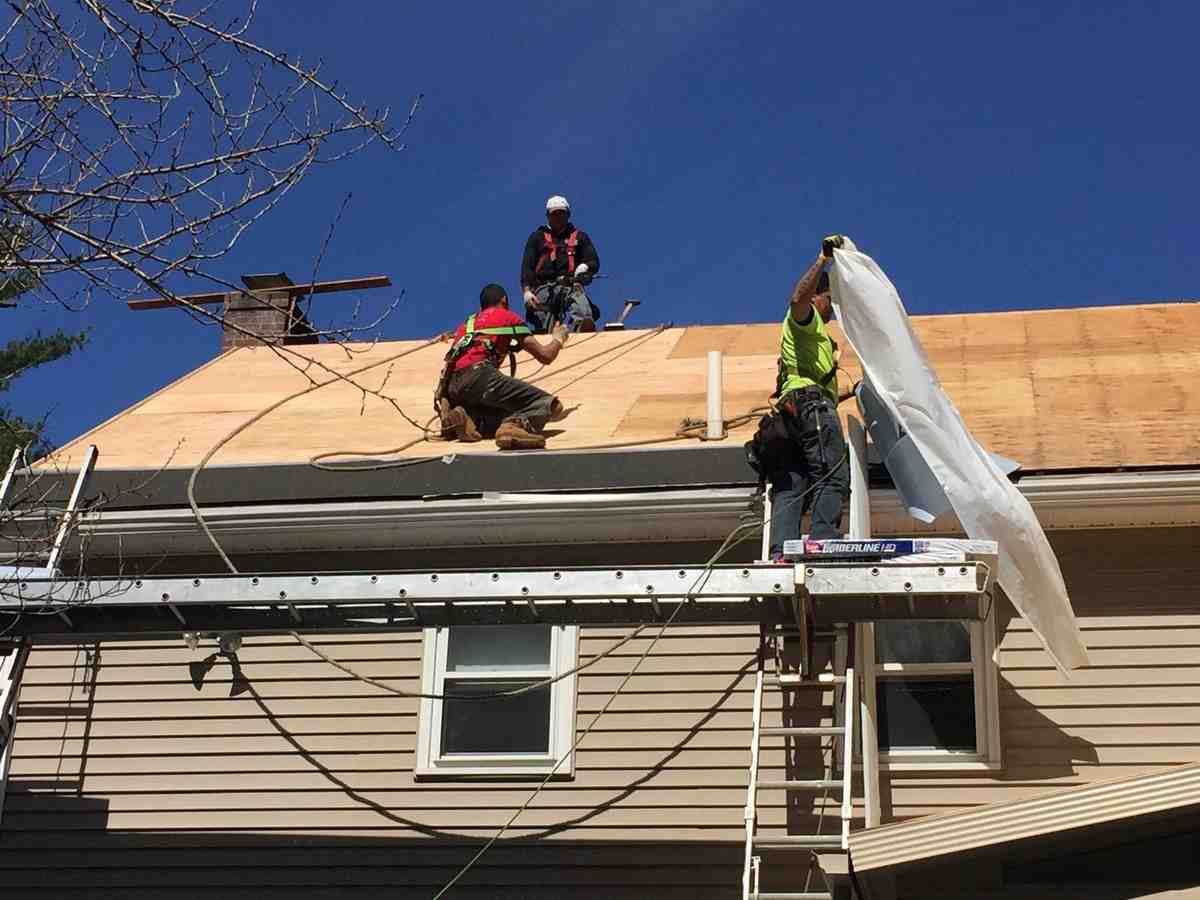
- Job site safety and cleanup: Professional crews prioritize safety, using proper equipment and protocols. They also manage debris removal and ensure a thorough cleanup, often using magnetic sweepers to collect stray nails.
Beyond the Basics: Added Benefits & Final Considerations
Beyond just protection, a new roof offers several important advantages that contribute to your home’s overall value and comfort.
One of the key benefits is improved energy efficiency. Modern roofing materials, coupled with proper ventilation, can help reduce your heating and cooling costs. A well-designed roofing system can ease the load on your HVAC system, saving you money on monthly utility bills and creating a more comfortable indoor environment.
A new roof also increases your home’s value and curb appeal. It is a major visual upgrade for your house. Many real estate and remodeling industry sources report that homeowners often recover a substantial portion of roof replacement costs when selling, making it an attractive feature for potential buyers and a sound improvement if you plan to sell your home in the future.
Considering the unpredictable New England climate, timing your roof replacement can be strategic. The best time of year to replace a roof in Massachusetts and Southern New Hampshire is typically from late spring to early fall. Mild temperatures during these seasons allow roofing materials, especially asphalt shingles, to seal properly. It also provides a more comfortable and efficient working environment for roofing crews. While winter replacements are possible, they can be more challenging and may incur additional costs due to potential weather delays.
Finally, for such a significant home improvement, you might wonder about financing options. Many homeowners use home equity loans, personal loans, or in-house contractor financing to manage the cost of a new roof. These options can break down the total cost into manageable monthly payments. Discuss these options with your chosen contractor or financial institution to find a solution that fits your budget.
Conclusion: Your New Roof Checklist is Complete
Investing in a new roof is one of the most important investments you can make in your home, helping to safeguard it against the elements and enhancing its value for years to come. By following this comprehensive checklist—from accurately assessing your current roof’s condition and understanding the cost factors involved, to choosing the ideal materials for our New England climate and, most importantly, hiring a trusted professional—you’re taking the right steps toward a durable, high-performing roof that protects your family and your home.
Twin Roofing installs asphalt roofs in MA and NH and provides professional roofing services tailored to the needs of homeowners in our region. For homeowners seeking professional installation of high-quality asphalt roofs in Massachusetts and New Hampshire, the team at Twin Roofing, a division of Twin Metals, Inc., offers expert guidance and craftsmanship.
Ready to start the conversation and get your personalized plan for a new roof? Request a free estimate today.
Twin Roofing is proud to serve homeowners throughout Berkshire County, Eastern Massachusetts, and Southern New Hampshire.
Follow us on Facebook – https://www.facebook.com/twinmetalsroofing Follow us on Instagram – https://www.instagram.com/twinmetals/