Why Choosing the Right Local Commercial Roofing Company Protects Your Business Investment
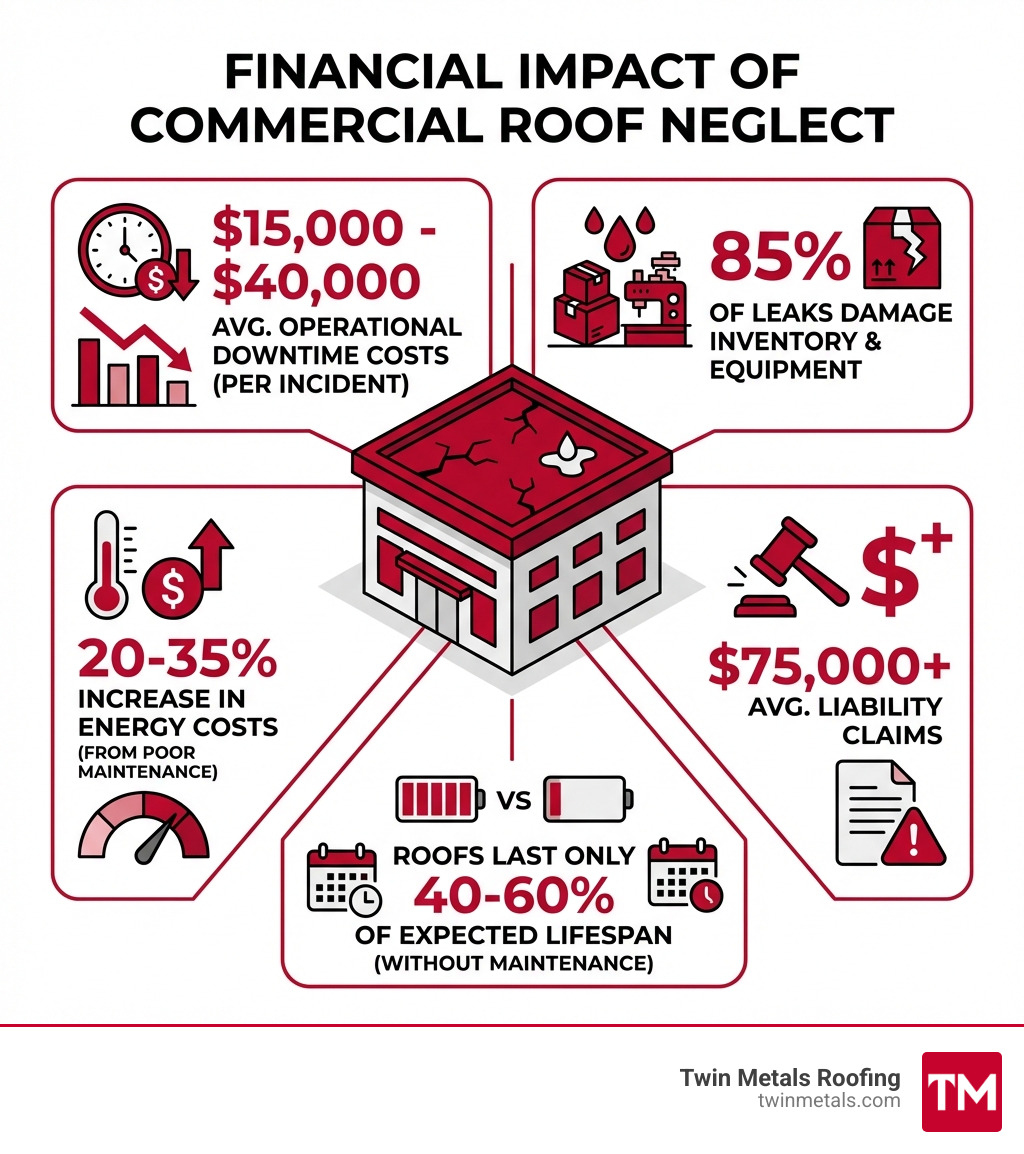
Local commercial roofing companies are more than just service providers—they’re partners in protecting your most valuable business assets. The stakes are high: according to industry data, commercial roof failures cost businesses an average of $15,000 to $40,000 in operational downtime per incident, while 85% of commercial roof leaks result in damaged inventory, equipment, or interior fixtures.
When searching for local commercial roofing companies, prioritize these five factors:
- Valid licensing and insurance – Look for liability coverage between $2.79 million and $6.97 million
- Local climate expertise – Choose contractors who understand New England’s snow loads, ice dams, and freeze-thaw cycles
- Proven track record – Verify years in business, customer reviews, and completed projects in your area
- Comprehensive warranties – Seek both manufacturer and workmanship guarantees (typically 5-15 years)
- Emergency response capability – Ensure 24/7 availability for urgent repairs
Your commercial roof represents a significant investment that directly impacts your bottom line. Poorly maintained roofs increase energy costs by 20-35% and typically last only 40-60% of their expected lifespan without proper care. Even more concerning, roof problems create substantial liability exposure, with average claims exceeding $75,000.
This guide will help you steer the process of choosing the right commercial roofing partner in Massachusetts and Southern New Hampshire. We’ll show you exactly what to look for, what questions to ask, and how to protect your business from costly roofing failures.
The High Stakes of Commercial Roofing: Why a Local Pro Matters
When it comes to your business, every decision carries weight, and selecting a commercial roofing partner is no exception. The financial impact of a failing roof can be staggering, extending far beyond the cost of repairs. Imagine this: a sudden leak during a New England winter storm. That’s not just a wet spot; it’s a potential cascade of problems.
Our research shows that 85% of commercial roof leaks can lead to damaged inventory, equipment, or even interior fixtures. The cost of replacing damaged goods or repairing critical machinery can quickly escalate. Beyond direct damage, there’s the equally painful operational downtime, which can cost businesses an average of $15,000 to $40,000 per incident. Can your business afford to halt operations for days or even weeks while repairs are underway? Probably not.
Furthermore, poorly maintained commercial roofs aren’t just a physical risk; they’re an economic drain. They can increase your energy costs by a significant 20-35%, eating into your profits year-round. Over time, neglecting your roof means it might only last 40-60% of its expected lifespan, forcing you into premature, costly replacements. And let’s not forget the liability exposure—average claims exceeding $75,000 for commercial roof issues highlight the serious safety and legal risks involved.
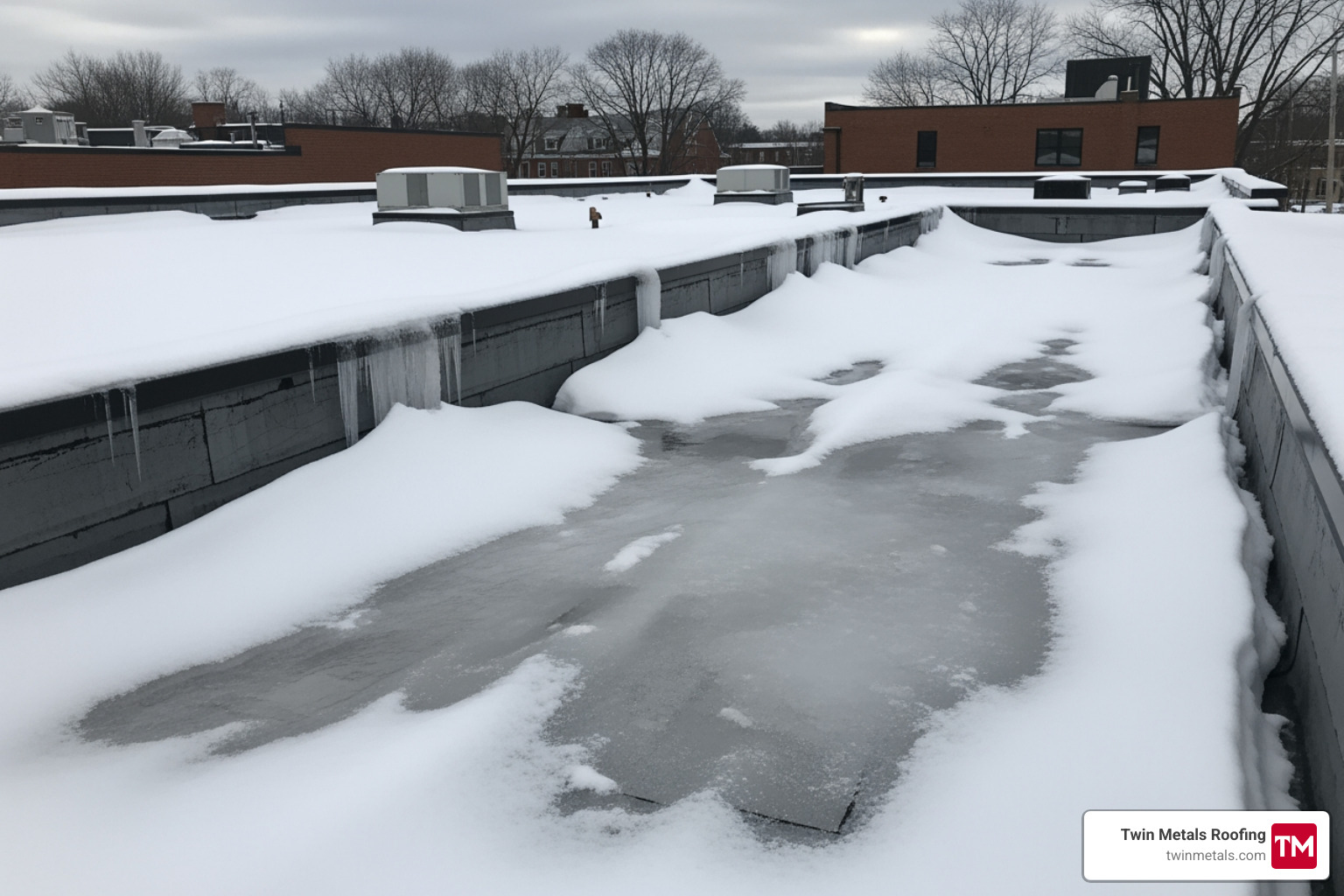
This is precisely why the importance of local expertise cannot be overstated, especially in regions like Massachusetts and Southern New Hampshire. Our climate presents unique challenges: heavy snow loads, persistent ice dam formation, and the constant freeze-thaw cycles that can wreak havoc on lesser-quality roofs. A local expert understands these nuances, knows the specific building codes, and can recommend solutions designed to withstand our challenging weather. They’re not just fixing a roof; they’re safeguarding your entire operation.
For more information about our service area and how we tackle these local challenges, please visit More info about our service area.
Vetting Local Commercial Roofing Companies: A 7-Point Checklist
Choosing the right partner from the many local commercial roofing companies available can feel like a daunting task. However, with a structured approach, you can perform due diligence that protects your investment and ensures you’re choosing a partner, not just a contractor. Here’s our comprehensive 7-point checklist to guide your decision-making process.
1. Verify Licensing, Insurance, and Certifications
This is non-negotiable. Any reputable commercial roofing contractor should be fully licensed to operate in Massachusetts and New Hampshire. Beyond licensing, robust insurance coverage is paramount. We recommend looking for companies that maintain between CAD 2.79 million and CAD 6.97 million (approximately USD 2.0 million and USD 5.0 million, based on current exchange rates) in liability insurance coverage. This protects your business from potential damages or accidents that might occur during the project.
Additionally, ensure they carry worker’s compensation insurance for all their employees and subcontractors. This protects you from liability if a worker gets injured on your property. Finally, look for manufacturer certifications. These indicate that the contractor is trained and approved by leading material manufacturers, ensuring proper installation techniques and often qualifying your roof for extended warranties. Choosing a company with these credentials provides immense peace of mind. To see what our customers think, you can Read Reviews.
2. Assess Their Reputation and Reliability
A company’s reputation speaks volumes. Start by checking online reviews on platforms like Google or Yelp. Look for patterns in feedback—do customers consistently praise their professionalism, communication, and quality of work? Don’t hesitate to request customer testimonials and references, and actually follow up on them.
Another excellent resource is the Better Business Bureau. Check their rating and any customer complaints. A long history in business, coupled with a solid track record of satisfied clients, indicates a reliable partner. While we don’t mention competitors, we can tell you that many trusted local commercial roofing companies have decades of experience, with some having served their communities for over 70 years.
3. Evaluate Their Experience with Local Commercial Roofing
Does the company have a portfolio of completed projects that are similar to yours in scope and scale? Specifically, look for examples of their work in your geographic area, such as Commercial Roofing – Andover, MA. This demonstrates their familiarity with local building codes, weather challenges, and supply chain.
Local knowledge of New England’s unique climate—its heavy snowfalls, harsh winds, and dramatic temperature fluctuations—is crucial. An experienced local contractor will recommend the most suitable materials and installation methods to ensure your roof’s longevity. For more about our experience and commitment to quality, visit our About Us page.
4. Understand Their Offered Roofing Systems
Not all commercial roofs are created equal, and the best choice for your property depends on its specific needs and the local climate. Reputable local commercial roofing companies will offer a range of materials suited for New England weather, ensuring durability, longevity, and energy efficiency.
We specialize in Commercial Metal Roofs known for their exceptional durability and ability to shed snow effectively. We also provide Commercial Shingle Roofs for sloped applications and Commercial Rubber Roofing systems, which offer excellent flexibility in extreme temperature swings. Each system has its advantages, and an expert will help you choose the best fit for your budget and performance requirements.
5. Inquire About Warranties and Guarantees
A strong warranty package is your long-term protection. You should expect two main types: manufacturer warranties, which cover defects in the roofing materials themselves (often 10-30 years), and workmanship warranties, which cover the quality of the installation (typically 5-15 years).
Some companies also offer “No Dollar Limit” (NDL) options, which means the manufacturer will cover the full cost of repairs or replacement, regardless of how much the costs have increased over time. Always ask for a written warranty and make sure to read the fine print to understand what’s covered, for how long, and any conditions that might void it (like neglecting routine maintenance).
6. Review Their Project Management Process
Minimizing disruption to your business operations during a roofing project is key. Discuss the contractor’s project management process in detail. How do they handle strategic scheduling (e.g., working on weekends or off-hours)? What site protection measures do they implement to safeguard your property and employees?
A clear communication plan, including regular updates from a dedicated project manager, is essential. Ask about their approach to noise and odor management, especially for businesses where these factors are critical. A well-organized contractor will have strategies in place to ensure a smooth, efficient project with minimal impact on your daily operations.
7. Analyze Their Use of Technology
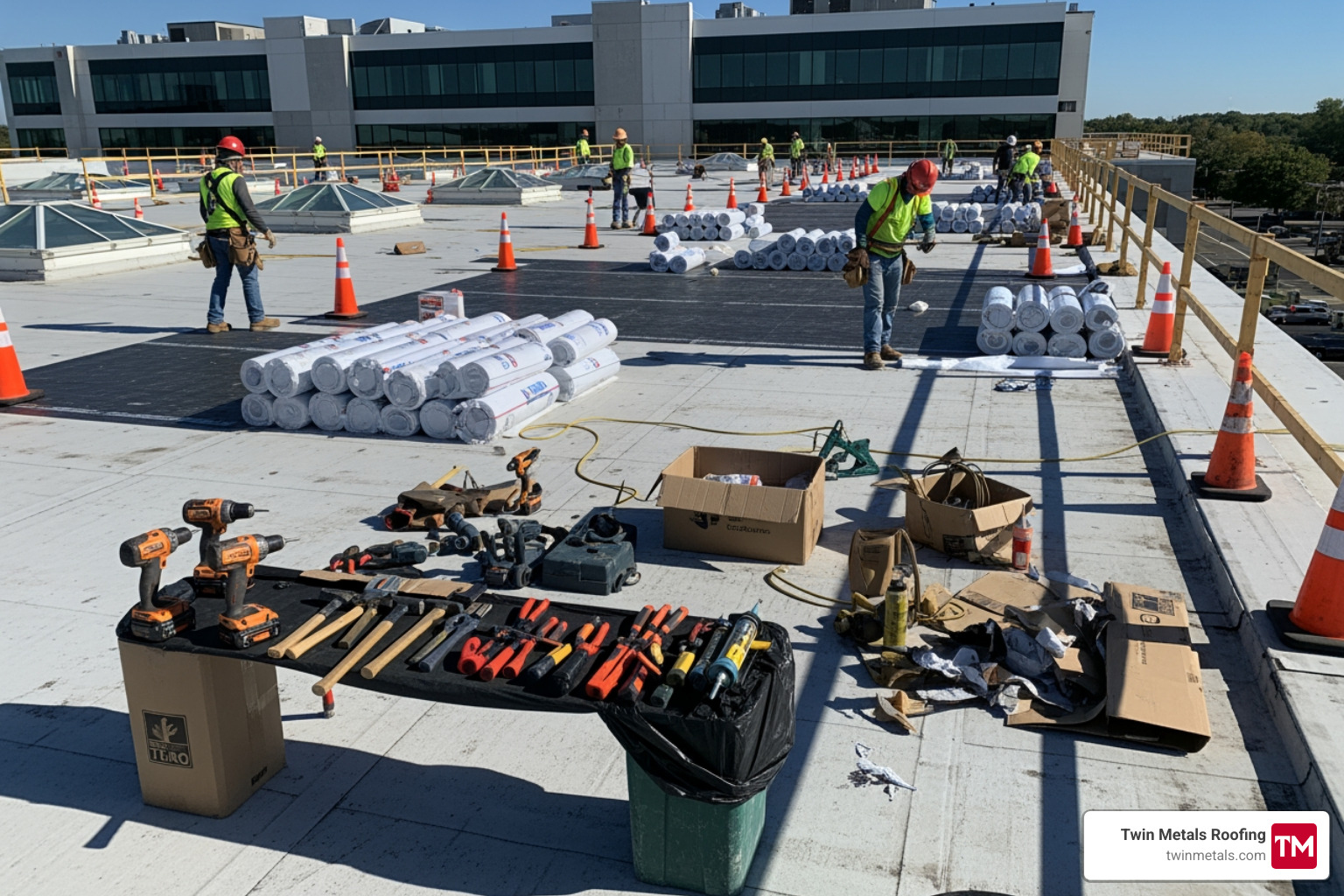
Modern commercial roofing is more than just hammers and nails. The best local commercial roofing companies accept technology to provide superior service. Ask about their use of diagnostic tools. For example, drone inspections can provide a safe and comprehensive view of your roof, identifying issues in hard-to-reach areas without the need for scaffolding. Infrared scanning can detect hidden moisture within your roof system, preventing costly damage before it becomes visible. These tools lead to more accurate assessments, more efficient problem-solving, and ultimately, a better-performing roof for your business.
Decoding the Dollars: Understanding Commercial Roofing Costs
Investing in your commercial roof is a significant financial decision, but understanding the costs involved can help you budget effectively and see the long-term value. While specific pricing can vary widely based on the size, complexity, materials, and current market conditions, we can provide general average cost ranges based on publicly available internet data. Please remember, these are not our company’s actual prices, and your project’s exact cost will depend on a detailed assessment.
- Commercial Roof Installation Costs: For a full installation, you might expect average costs to range from $7 to $45+ per square foot. This broad range accounts for different materials (from basic asphalt shingles to advanced metal or rubber systems), roof pitch, and structural complexities.
- Commercial Roof Repair Costs: Repairs can vary dramatically depending on the extent of the damage. Minor repairs might start around $500, while more extensive localized repairs could reach $15,000 or more.
- Commercial Roof Maintenance Program Costs: Regular maintenance is a proactive investment. Annual maintenance programs typically cost between $0.10 and $0.75+ per square foot. This small ongoing investment can prevent major, costly problems down the line.
Consider a quality roof as an investment rather than just an expense. A properly installed and maintained commercial roof can deliver a remarkable 300-400% return on investment through its extended lifespan, reduced energy costs, and prevention of water damage. This proactive approach prevents the need for premature and significantly more expensive replacements, proving that a penny saved on maintenance is truly a pound earned in business stability. For more detailed information about our commercial services, please visit More info about our commercial services.
Warning Signs: When Does Your Commercial Roof Need Attention?
Even the best commercial roofs eventually show signs of wear and tear. Being able to recognize these warning signs early can save your business from significant costs, disruption, and potential liability. Proactive inspections are key, but keeping an eye out for these indicators is your first line of defense:
- Interior Water Stains: This is often the most obvious and alarming sign. Water stains on ceilings, walls, or inside equipment indicate a leak that has already breached your roof membrane. Don’t ignore them; even small stains can signify a larger underlying issue.
- Increased Energy Bills: If you notice a sudden or gradual spike in your heating or cooling costs, your roof could be a culprit. Poorly maintained roofs lose their insulating properties, allowing heat to escape in winter and enter in summer. This can lead to a 20-35% increase in energy consumption.
- Visible Membrane Damage: Conduct visual checks from the ground or during scheduled inspections. Look for cracks, tears, punctures, blisters, or areas where the roofing membrane appears to be lifting or detaching. These are clear indicators that your roof’s protective layer is compromised.
- Ponding Water: After rainfall, if water remains on your roof for 48 hours or longer, you have a ponding water issue. This standing water accelerates material degradation, promotes algae growth, and can lead to structural stress.
- Damaged Flashing: Over 90% of roof leaks occur at roof details such as walls, flashings, and drains. Check these critical areas for cracks, gaps, or signs of deterioration. Compromised flashing allows water to easily penetrate the building envelope.
- Roof Age: Most commercial roofs have an expected lifespan, which can range from 15 to 25 years depending on the material and maintenance. If your roof is approaching or has exceeded this age, it’s wise to have it professionally inspected, even if there are no obvious signs of damage. An aging roof is inherently more vulnerable.
Frequently Asked Questions about Choosing Local Commercial Roofing Companies
What are the best commercial roofing systems for the New England climate?
New England weather presents unique challenges, from heavy snow and ice to strong winds and significant temperature swings. The best commercial roofing systems for our climate are those designed for durability and resilience.
- Commercial Metal Roofs are an excellent choice due to their exceptional durability, longevity, and ability to shed snow efficiently, reducing snow load.
- Commercial Rubber Roofing systems (like EPDM) offer fantastic flexibility, allowing them to expand and contract with temperature fluctuations without cracking, making them ideal for our variable climate.
- Commercial Shingle Roofs are suitable for commercial properties with sloped roofs, offering proven protection against the elements.
Note: Twin Roofing installs asphalt roofs in MA and NH, providing solutions custom to various commercial property needs.
How can I minimize disruption to my business during a roof replacement?
Minimizing disruption is a top priority for us, and it should be for any professional commercial roofing company. Here’s how it’s typically managed:
- Strategic Scheduling: We can often schedule work during weekends, off-hours, or in phases to align with your business’s slowest periods.
- Section-by-Section Work Plans: Instead of tackling the entire roof at once, the project can be broken down into manageable sections, allowing parts of your building to remain operational.
- Advanced Protection: Measures like covered walkways, temporary enclosures, and specific material staging areas protect your property, employees, and customers.
- Consistent Communication: A dedicated project manager will keep you informed of daily progress, upcoming activities, and any potential impacts, ensuring you’re always in the loop.
- Weather Monitoring: Flexible scheduling around weather patterns helps avoid unexpected delays and ensures work is done under optimal conditions.
How often should a commercial roof be inspected?
Regular inspections are crucial for extending your roof’s lifespan and preventing costly emergencies. We recommend:
- Bi-annual Professional Inspections: Schedule these in the spring (to assess winter damage) and fall (to prepare for winter).
- Post-Event Inspections: After any major storm, heavy snowfall, or significant weather event, a quick check is a smart move.
- Quarterly Checks: For older roofs or buildings housing high-value contents, more frequent inspections can catch issues even earlier.
These preventative maintenance efforts are vital; commercial roofs without proper care often only last 40-60% of their expected lifespan. Regular maintenance can extend that lifespan significantly, saving you money and stress in the long run.
Conclusion: Partnering for Long-Term Protection
Choosing a local commercial roofing company is a critical business decision that impacts your operational continuity, financial health, and long-term asset value. By focusing on key vetting points like licensing, insurance, reputation, local experience, offered systems, warranties, project management, and technological integration, you can make an informed choice that truly benefits your business.
We, Twin Metals Roofing, are proud to be a trusted provider of Commercial Roofing and Residential Roofing services. We install high-performance asphalt and metal roofs, emphasizing superior performance, quality materials, and exceptional customer service. Protect your business with a reliable roofing partner who understands the unique challenges of our region. For a detailed assessment of your property’s needs, Request an Estimate from our expert team.
Twin Metals Roofing proudly serves communities throughout Berkshire County in Eastern Massachusetts and Southern New Hampshire.