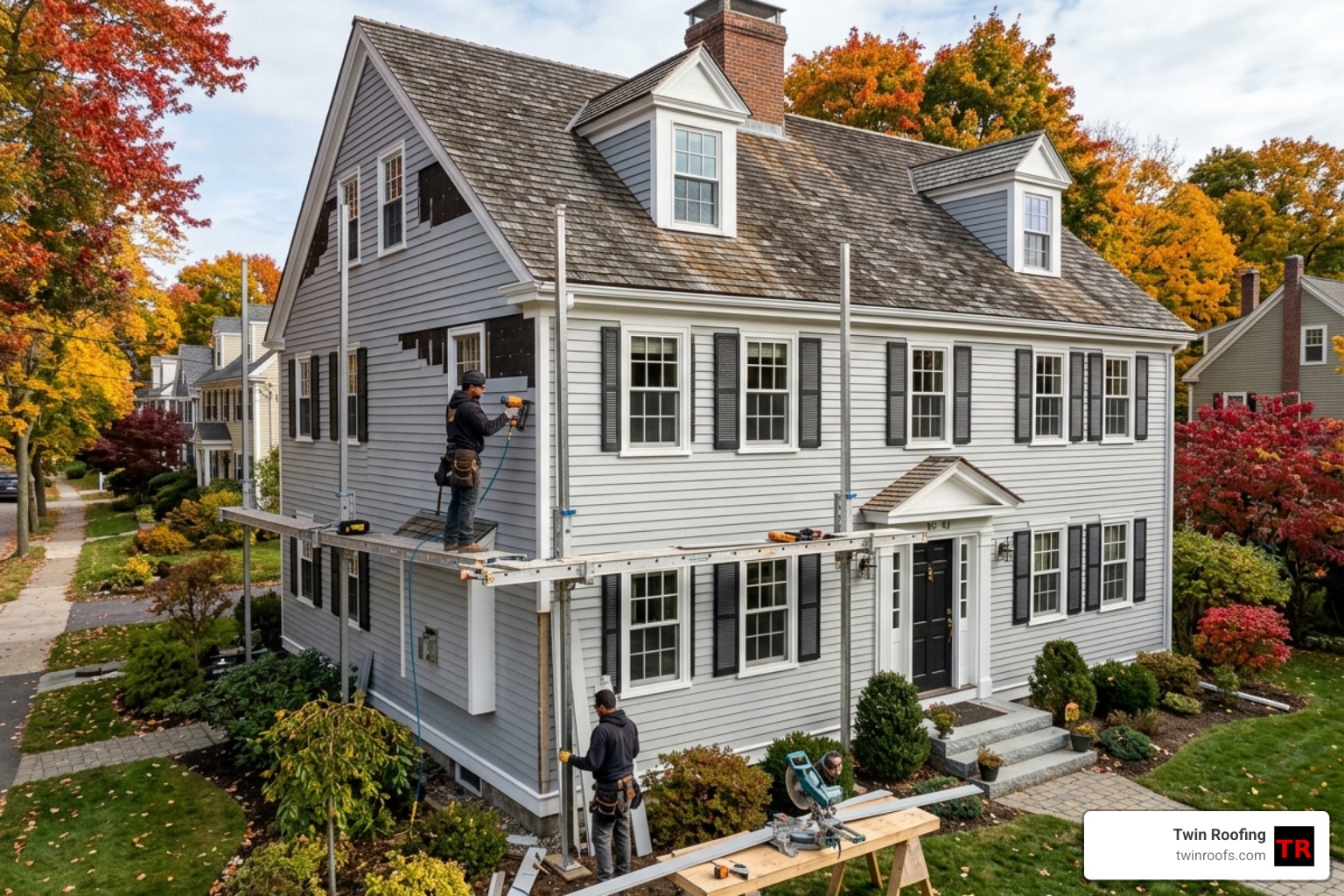
Why Lowell Siding Installation Is One of the Most Important Home Upgrades You Can Make
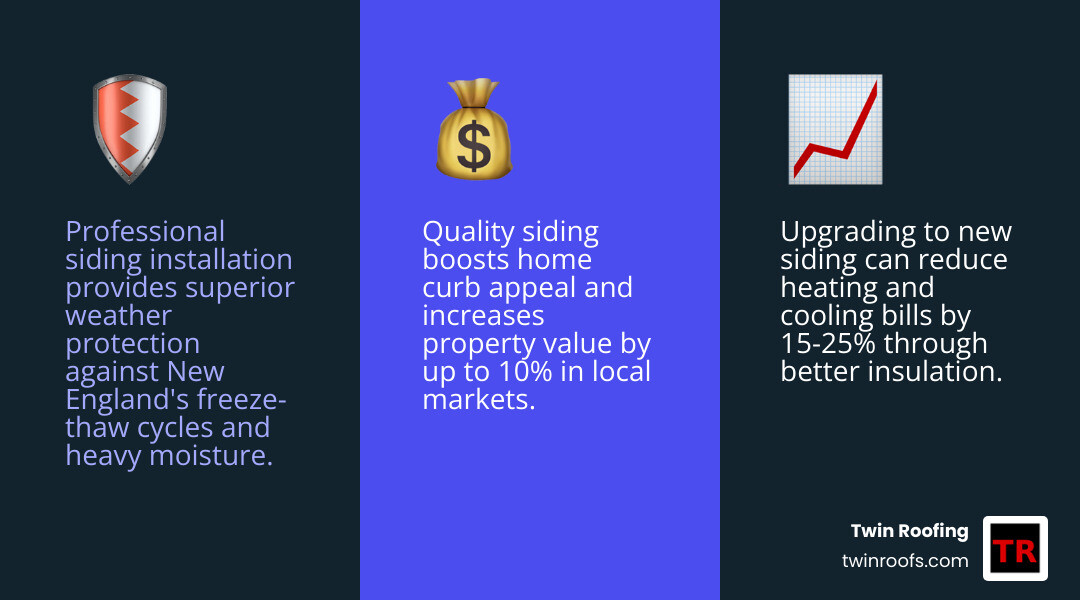
Lowell siding installation is a high-impact exterior upgrade that protects your home from New England’s punishing weather, boosts curb appeal, and can lower your energy bills by 15–25%.
Here’s a quick look at what you need to know:
| Topic | Quick Answer |
|---|---|
| Typical cost range | $5,000 – $40,000+ (varies by size and material) |
| Most popular materials | Vinyl, fiber cement, engineered wood, wood |
| Best material for New England | Fiber cement or premium vinyl |
| Average project timeline | 5 to 10 days |
| Permit required in Lowell? | Yes, typically ~$300 |
| Energy savings | Up to 15–25% on heating and cooling |
Lowell’s housing stock is unique. The city is full of mill-era homes and Victorian-style properties with complex rooflines and historic wood exteriors. That means siding here isn’t a one-size-fits-all job — it requires local knowledge, the right materials, and skilled installation to handle the region’s brutal freeze-thaw cycles and heavy moisture.
New England weather is unforgiving. A poor siding job won’t just look bad — it can let moisture into your walls, invite pests, and quietly rot your home’s structure from the outside in.
I’m Tom Gordon, owner of Twin Roofing, a division of Twin Metals, Inc., and with nearly two decades of hands-on experience serving Massachusetts homeowners — including those seeking expert Lowell siding installation — I’ve seen what separates a lasting exterior from one that fails in the first hard winter. In this guide, I’ll walk you through everything you need to make a smart, confident decision for your home.
Learn more about Lowell siding installation:
Popular Materials for Lowell siding installation
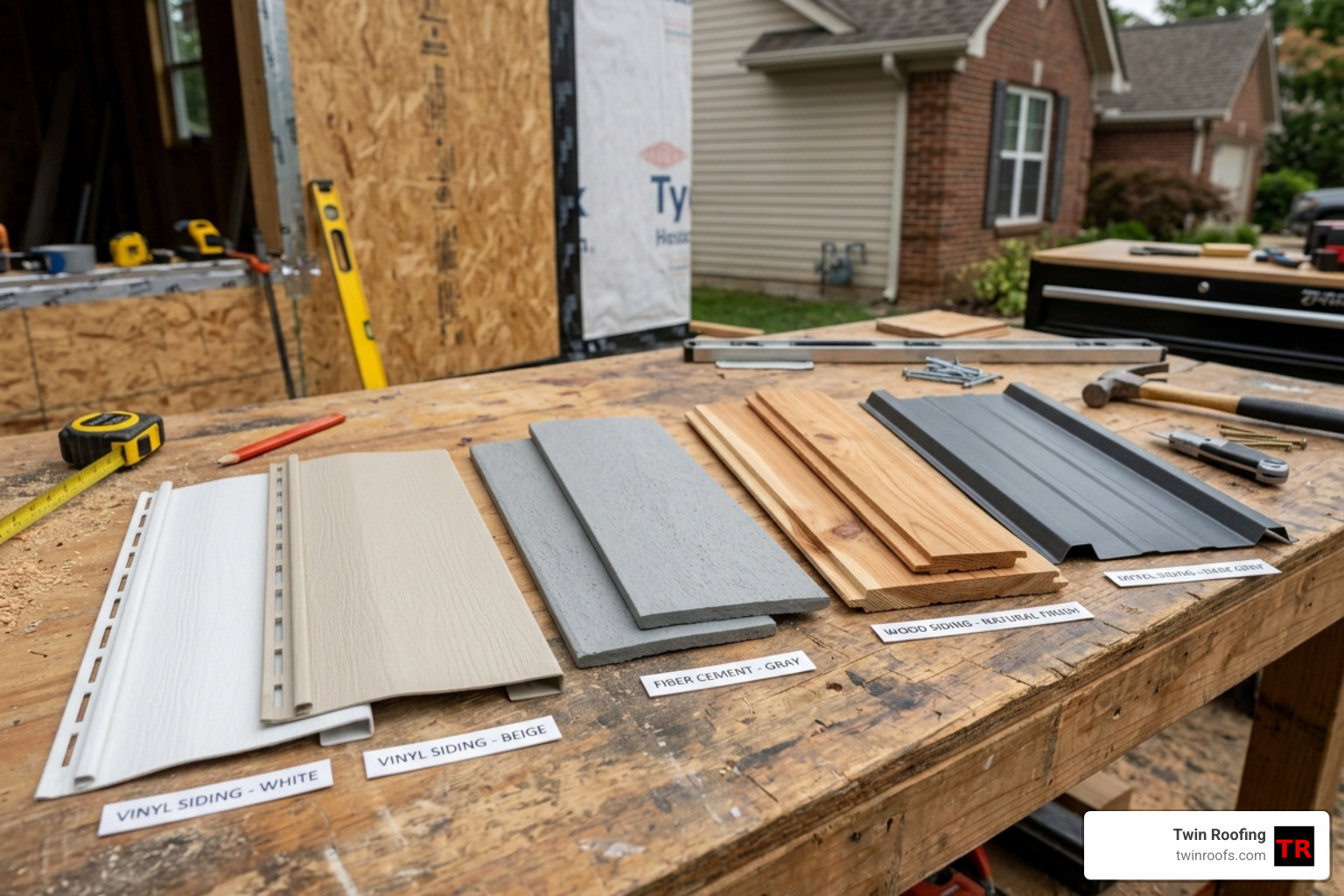
When you start looking into Lowell siding installation, the sheer number of choices can be overwhelming. Each material has its own personality, price tag, and maintenance schedule. In our experience working across Eastern Massachusetts and Southern New Hampshire, we’ve found that homeowners usually gravitate toward one of five main categories.
Vinyl Siding
Vinyl remains a top contender because it is incredibly cost-effective and low-maintenance. Modern vinyl isn’t the flimsy stuff from forty years ago. Today, you can find premium gauges (thicknesses) that resist denting from hail or stray baseballs.
- Standard Gauge (.040″): Economical but thinner.
- Performance Gauge (.044″): A solid middle ground for durability.
- Premium Gauge (.048″): The gold standard for impact resistance and a flatter, straighter look on your walls.
Fiber Cement
If you want a material that looks exactly like real wood but won’t rot or attract woodpeckers, fiber cement (like James Hardie products) is the winner. It’s made from a mix of cement, sand, and cellulose fibers. It is incredibly heavy, fire-resistant, and can last over 50 years. Because of its weight and specialized cutting requirements, it requires a highly trained crew for a successful Lowell siding installation.
Wood Siding
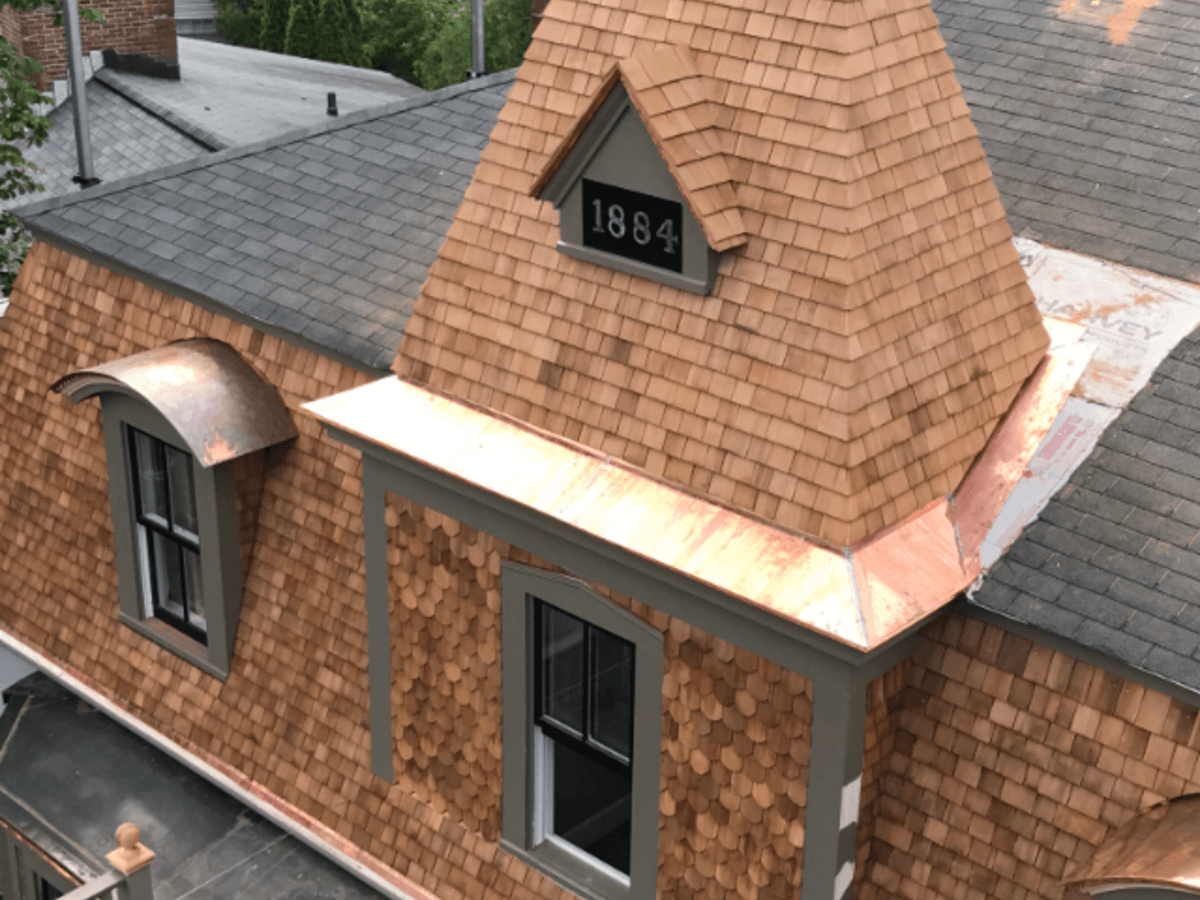
For those living in Lowell’s historic districts, like Belvidere or the Highlands, wood is often the only way to maintain architectural integrity. Cedar, pine, and redwood are common choices. Cedar, in particular, has natural oils that resist rot and insects, but it does require staining or painting every 5 to 7 years to stay healthy. For a deeper dive into one of the most classic wood looks, check out Beyond the Boards What You Need to Know About Cedar Shake Siding.
Engineered Wood
Engineered wood, such as LP SmartSide, offers the warmth of natural wood grain but is treated with waxes and resins to resist moisture and pests. It’s lighter than fiber cement and easier to install, making it a popular “best of both worlds” choice for many New Englanders.
Metal Siding
Once reserved for commercial buildings, metal siding (specifically aluminum and steel) has made a comeback in residential modern designs. It offers a sleek, industrial look and is virtually fireproof. It’s also a great choice for those looking for a “one and done” solution, as it doesn’t rot or warp.
Choosing the Right Material for Lowell siding installation
Choosing a material isn’t just about what looks good on a Pinterest board. You have to consider the specific context of your property. For example, if you live in a flood-prone area of Lowell or near the Merrimack River, moisture resistance should be your #1 priority. If you’re in a historic Victorian with complex trim, you need a material that can be precisely cut to match those intricate details.
For more localized insights, take a look at our page on Exterior Siding Lowell.
Durability and Performance in New England
In Lowell, our siding has to survive four very distinct seasons. We have the humid summers, the “mud season” of spring, the crisp falls, and the brutal “Jack Frost” winters.
- Freeze-Thaw Cycles: This is the silent killer of cheap siding. Moisture gets into small cracks, freezes, expands, and snaps the material.
- High Winds: We often recommend features like a “double nailing hem” for vinyl. This ensures that when those Nor’easters blow through, your siding stays attached to your house and doesn’t end up in your neighbor’s yard.
- Moisture Resistance: Between snow piles sitting against the base of your home and heavy spring rains, your siding acts as the primary shield for your home’s wooden skeleton.
Understanding Costs and Climate Factors in Lowell
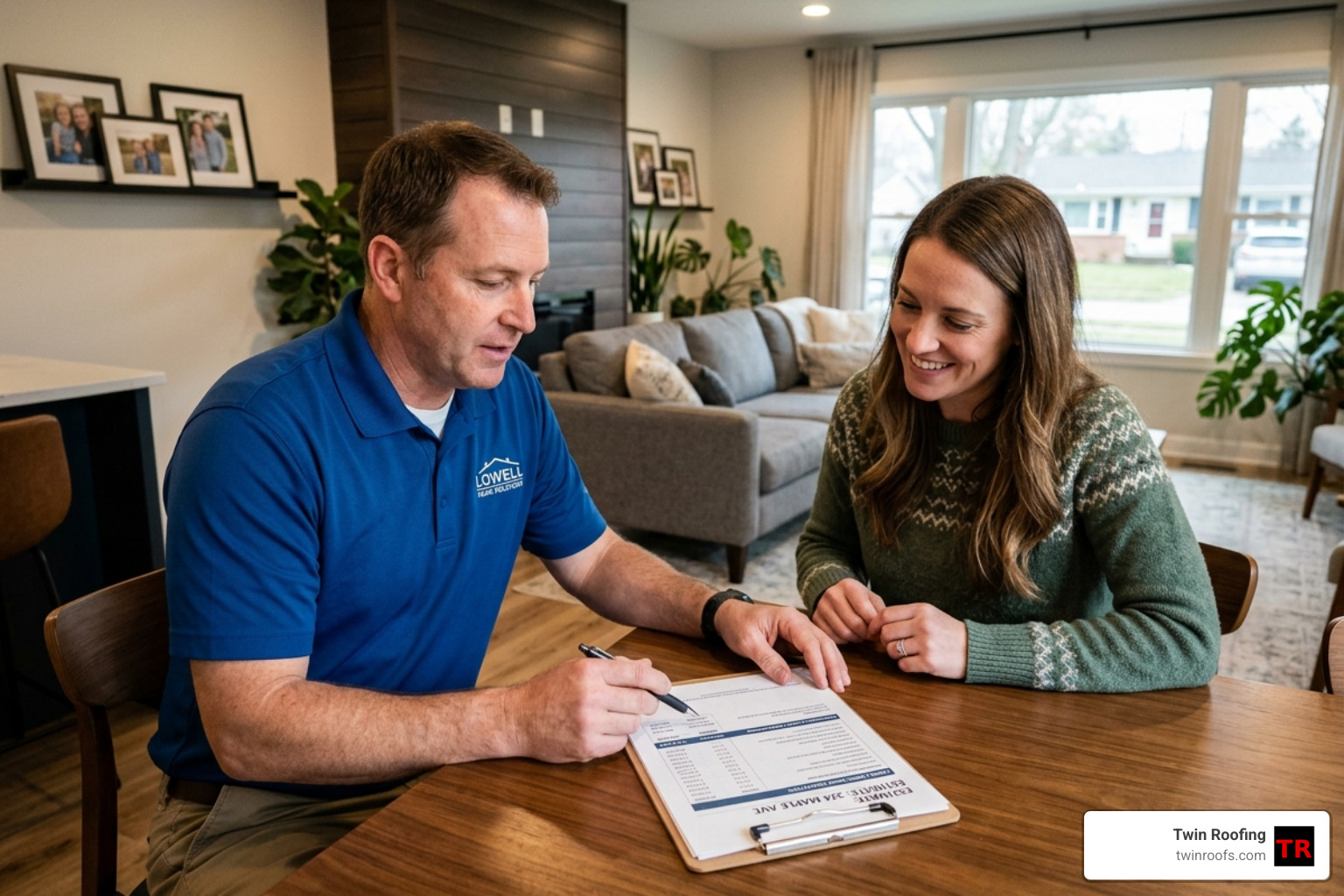
Talking about money is never the “fun” part of home improvement, but it is the most necessary. Based on publicly available internet data, a full Lowell siding installation can range anywhere from $5,000 to $45,000 or more.
Please note: These are average costs based on market research, not the specific pricing of Twin Roofing. Every home is unique, and actual quotes depend on a variety of on-site factors.
| Material | Estimated Cost per Sq. Ft. (Installed) | Expected Lifespan |
|---|---|---|
| Vinyl | $4 – $12 | 20–40 Years |
| Fiber Cement | $10 – $22 | 50+ Years |
| Wood | $8 – $25 | 20–50 Years (with maintenance) |
| Engineered Wood | $9 – $18 | 30–50 Years |
| Metal/Aluminum | $6 – $15 | 30–40 Years |
Factors Influencing Your Project Price
Why is the range so wide? It comes down to a few key variables:
- Home Size: A 1,000-square-foot ranch will obviously cost less than a 3,000-square-foot colonial.
- Architectural Complexity: Do you have multiple stories? Dormers? Turrets? The more corners and cuts a crew has to make, the more labor hours are required.
- Removal and Disposal: Taking off old, heavy wood or asbestos siding and disposing of it safely can add $600 to $2,000+ to the total.
- Substrate Repair: Once the old siding is off, we sometimes find “surprises” like rotted plywood or structural damage that must be fixed before the new siding goes on.
Signs It Is Time for Siding Replacement
How do you know if you can wait another year or if you need to act now? Look for these red flags:
- Warping or Buckling: If the panels look like they’re “melting” or pulling away, they are no longer protecting your home.
- Mold and Mildew: If you see green or black growth on the siding (or worse, inside your home), moisture is trapped.
- Peeling Interior Paint: Surprisingly, if your indoor wallpaper or paint is peeling, it might be because exterior moisture is seeping through failing siding.
- High Energy Bills: If your heating costs are skyrocketing, your siding might be letting in drafts.
Don’t ignore the warning signs! You can read more about the risks of waiting in our article: Don’t Get Sidelined by Bad Siding in Natick.
The Professional Installation Process
A Lowell siding installation is only as good as the preparation that goes into it. You could buy the most expensive material in the world, but if it’s installed poorly, it will fail. At Twin Roofing, we believe in a “do it right the first time” philosophy.
Step-by-Step Exterior Transformation
- Old Siding Removal: We strip the house down to its original sheathing. This is the only way to truly inspect for rot or pest damage.
- Structural Inspection & Repair: We fix any soft spots in the plywood and ensure the “bones” of the house are solid.
- Moisture Barrier (House Wrap): We wrap the home in a weather-resistant barrier. Think of this as a high-tech raincoat for your house that lets it “breathe” without letting water in.
- Flashing Installation: We install metal flashing around windows, doors, and corners to redirect water away from openings.
- Precise Alignment: Using levels and chalk lines, we ensure every course of siding is perfectly straight.
- Sealing and Finishing: We use high-quality sealants to close any gaps where insects or moisture could enter.
- Final Walkthrough: We do a lap with the homeowner to ensure every detail is perfect and the job site is clean.
Local Building Codes and Permits
In the City of Lowell, a siding project is considered a structural modification that typically requires a building permit. The fees are usually based on the project’s value (often around $300 for a standard home). A professional contractor will handle the permit process and ensure the work complies with local safety codes, including fire resistance standards and proper attachment methods.
Integrating Siding with Gutters and Roofing
Your home is an ecosystem. The roof, siding, and gutters all have to work together to keep you dry. If you have brand-new siding but clogged, leaky gutters, that water will pour down the side of your house, staining your new siding and eventually rotting your foundation.
For a complete look at how these systems interact, check out The Ins and Outs of Gutters Siding Soffits.
The Importance of Soffits and Fascia
Soffits (the underside of your roof overhang) and fascia (the board where gutters are attached) are often overlooked. However, they are critical for attic ventilation. Properly installed soffits allow your attic to stay cool in the summer and dry in the winter, preventing ice dams. If your soffits are looking a bit ragged, you might consider a House Soffit Replacement as part of your siding project.
Seamless Gutter Integration
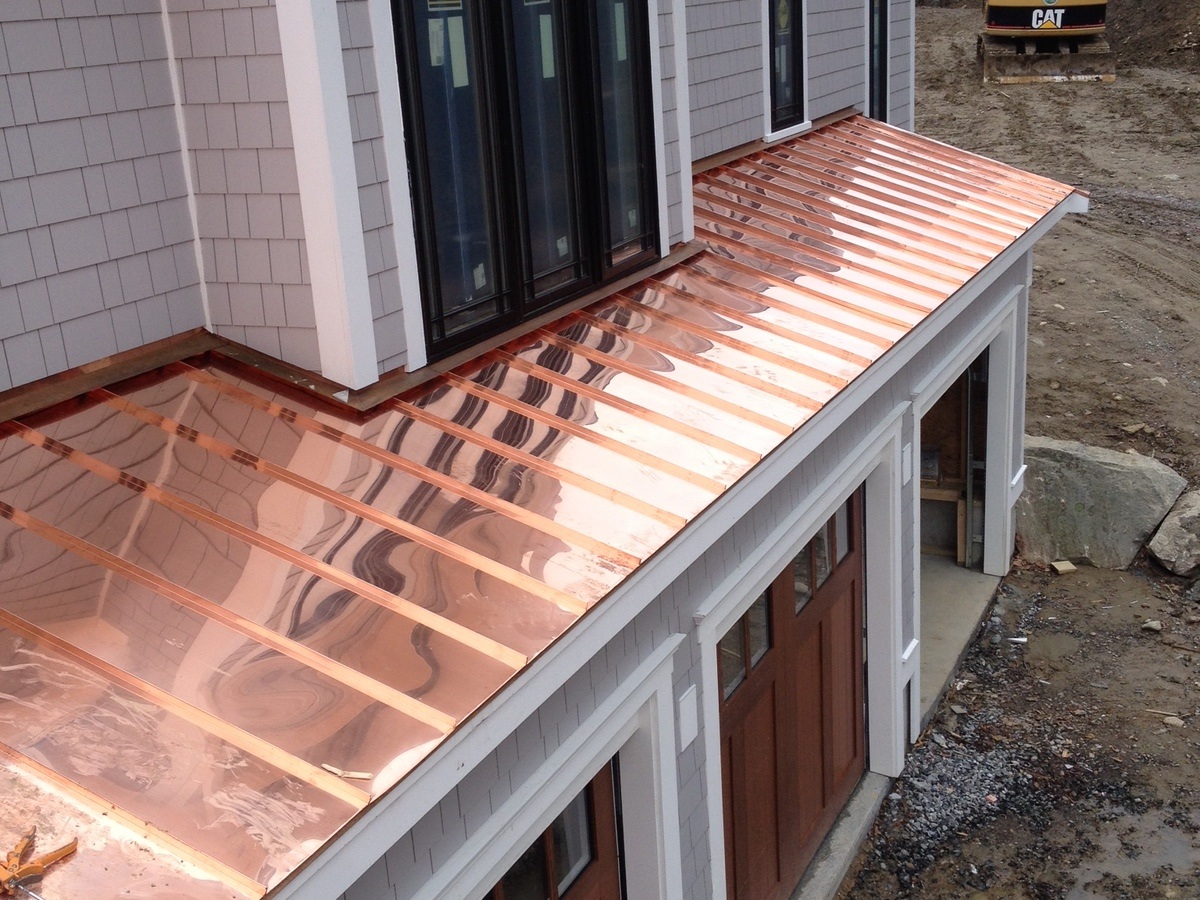
When we perform a Lowell siding installation, we always recommend checking the gutters. Seamless gutters are the best choice for the New England climate because they have fewer joints, which means fewer places for leaks to start. They protect your new siding from “splash back” and keep your basement dry. Learn more about the synergy between these components here: Gutters Siding Soffits.
Frequently Asked Questions
How Long Does Lowell siding installation Take?
For a standard-sized home in Lowell, the process typically takes 5 to 10 business days. This includes the time needed for removal, repairs, and the actual installation. Of course, New England weather can throw a wrench in the gears — we can’t install siding during a blizzard or a torrential downpour!
What maintenance is required after installation?
- Vinyl/Fiber Cement: A simple power wash (on a low setting) or a scrub with a soft brush and soapy water once a year is usually enough.
- Wood: You’ll need to inspect for peeling paint or cracks annually and plan for a fresh coat of stain every few years.
- General: Check your caulking around windows and doors every spring to make sure it hasn’t cracked.
What warranties should I look for?
Reputable contractors should offer two types of protection:
- Manufacturer Warranty: This covers defects in the material itself (often 20 to 50 years).
- Labor/Workmanship Warranty: This covers the installation. Look for a contractor who stands behind their work for at least 5 to 10 years.
Conclusion
Investing in Lowell siding installation is one of the smartest ways to protect your most valuable asset. Whether you choose the durability of fiber cement, the ease of vinyl, or the classic beauty of wood, the key is professional installation that understands the unique challenges of our Massachusetts and New Hampshire climate.
At Twin Roofing, a division of Twin Metals Inc., we specialize in asphalt roofing that works hand-in-hand with your exterior systems. We emphasize superior performance and quality materials to ensure your home stays beautiful and weather-tight for decades to come. If you’re ready to revitalize your home’s exterior, we’re here to help you coordinate your roofing, Gutters Siding Soffits for a seamless, stress-free experience.
Twin Roofing services Eastern Massachusetts and Southern New Hampshire.
Follow us on Facebook — https://www.facebook.com/twinmetalsroofing Follow us on Instagram — https://www.instagram.com/twinmetals/