The Real Answer to Whether a Metal Roof Is Hotter Than Shingles
Is a metal roof hotter than shingles? This is one of the most common questions homeowners ask before choosing a new roof — and the answer might surprise you.
Quick Answer:
| Roofing Material | Peak Surface Temp | Heat Reflected | Attic Impact |
|---|---|---|---|
| Black asphalt shingles | Up to 168°F | ~10–25% | Raises attic temp 30–50°F above ambient |
| Unpainted metal | Up to 145°F | Moderate | Better than shingles |
| White/light metal (coated) | ~110–123°F | Up to 70–80% | Keeps attics 15–25°F cooler than shingles |
The short version: Metal roofs are not hotter than shingles. In fact, a properly installed metal roof — especially a light-colored or coated one — can run significantly cooler than asphalt shingles and help lower your home’s indoor temperature and energy bills.
The confusion is understandable. Metal feels hot to the touch on a summer day. But surface temperature is only part of the story. What matters more is how much heat transfers into your home — and that’s where metal roofs have a clear edge over asphalt shingles.
Think of it this way: asphalt shingles absorb heat and hold onto it, slowly releasing it into your attic and living spaces. Metal roofs reflect more of that solar energy away and release what little heat they do absorb much faster — especially after the sun goes down.
I’m Tom Gordon, owner of Twin Roofing, a division of Twin Metals, Inc., and with nearly two decades of experience installing and comparing both metal and asphalt roofing systems across Massachusetts and New Hampshire, I’ve seen how much the answer to is a metal roof hotter than shingles depends on the material, the color, and the installation. Twin Roofing installs asphalt roofs in MA and NH, providing homeowners with durable, reliable options alongside our metal systems. Let’s break it all down so you can make a confident, informed decision.
Basic is a metal roof hotter than shingles terms:
Is a Metal Roof Hotter Than Shingles? The Science of Roof Heat Absorption
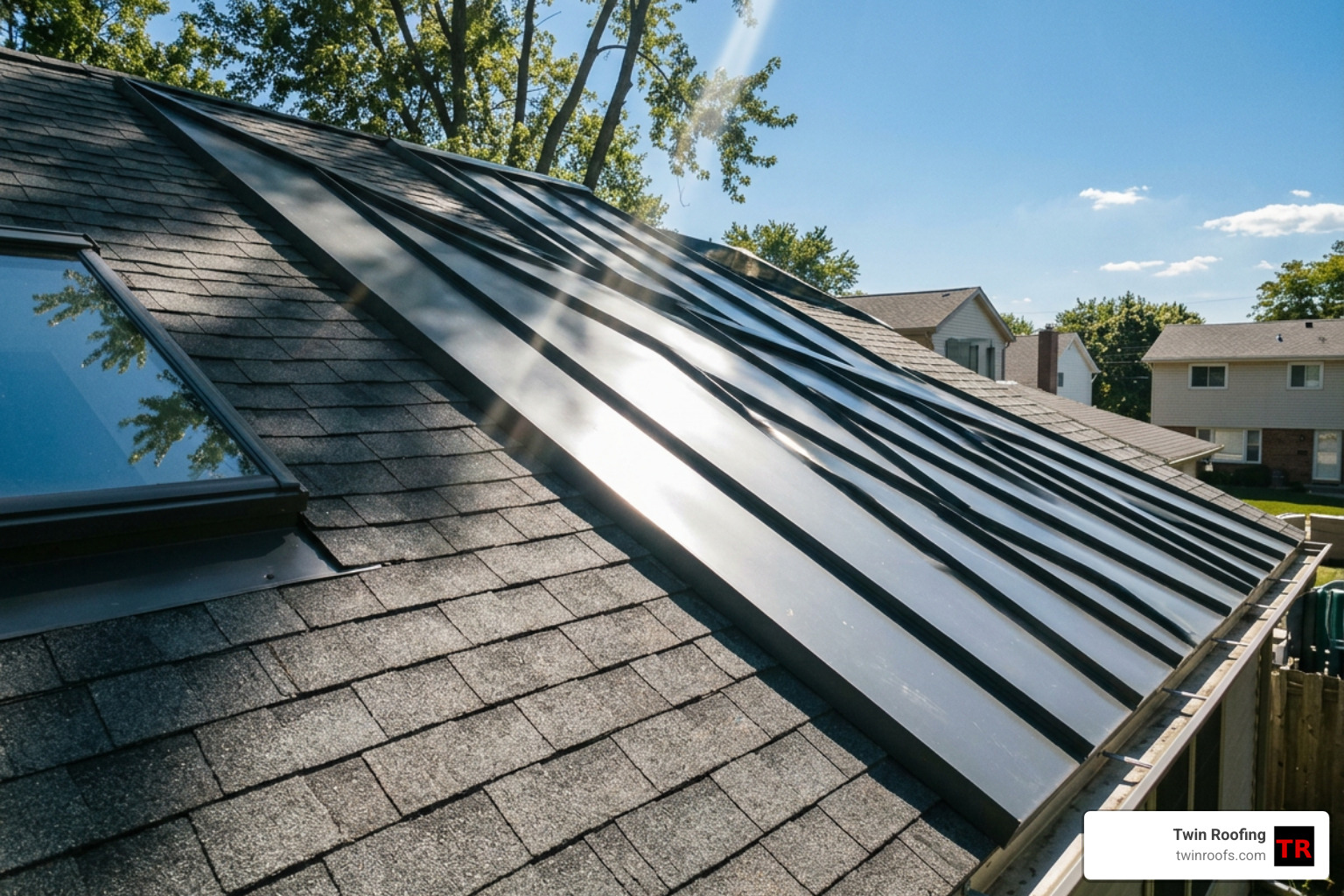
To truly understand how different roofing materials handle the blazing summer sun, we have to look at the basic physics of heat transfer. When solar radiation strikes your roof, it behaves differently depending on the physical properties of the material it hits.
There are three primary ways heat moves:
- Radiation: Electromagnetic waves from the sun travel through space and hit your roof.
- Conduction: Direct heat transfer through solid materials. If your roof gets hot, that heat conducts through the shingles or metal panels into the wooden roof deck.
- Convection: Heat transfer through moving air or liquids, such as the hot air rising inside your attic.
While metal has a high thermal conductivity—meaning it transfers heat quickly when touched—it actually has very low heat retention. Once the sun goes behind a cloud or sets for the evening, metal sheds its heat almost instantly.
Asphalt shingles, on the other hand, act like thermal sponges. They are thick, heavy, and made of petroleum-based materials that absorb solar radiation and store it. This means they continue to conduct heat down into your home long after the sun has set.
This thermal behavior is backed by rigorous scientific testing. For instance, The Thermal Performance of Painted and Unpainted Standing-Seam Metal Roofing Systems Exposed to Two Years of Weathering shows that the type of finish and material weathering play a massive role in how much heat a roof absorbs and retains over time.
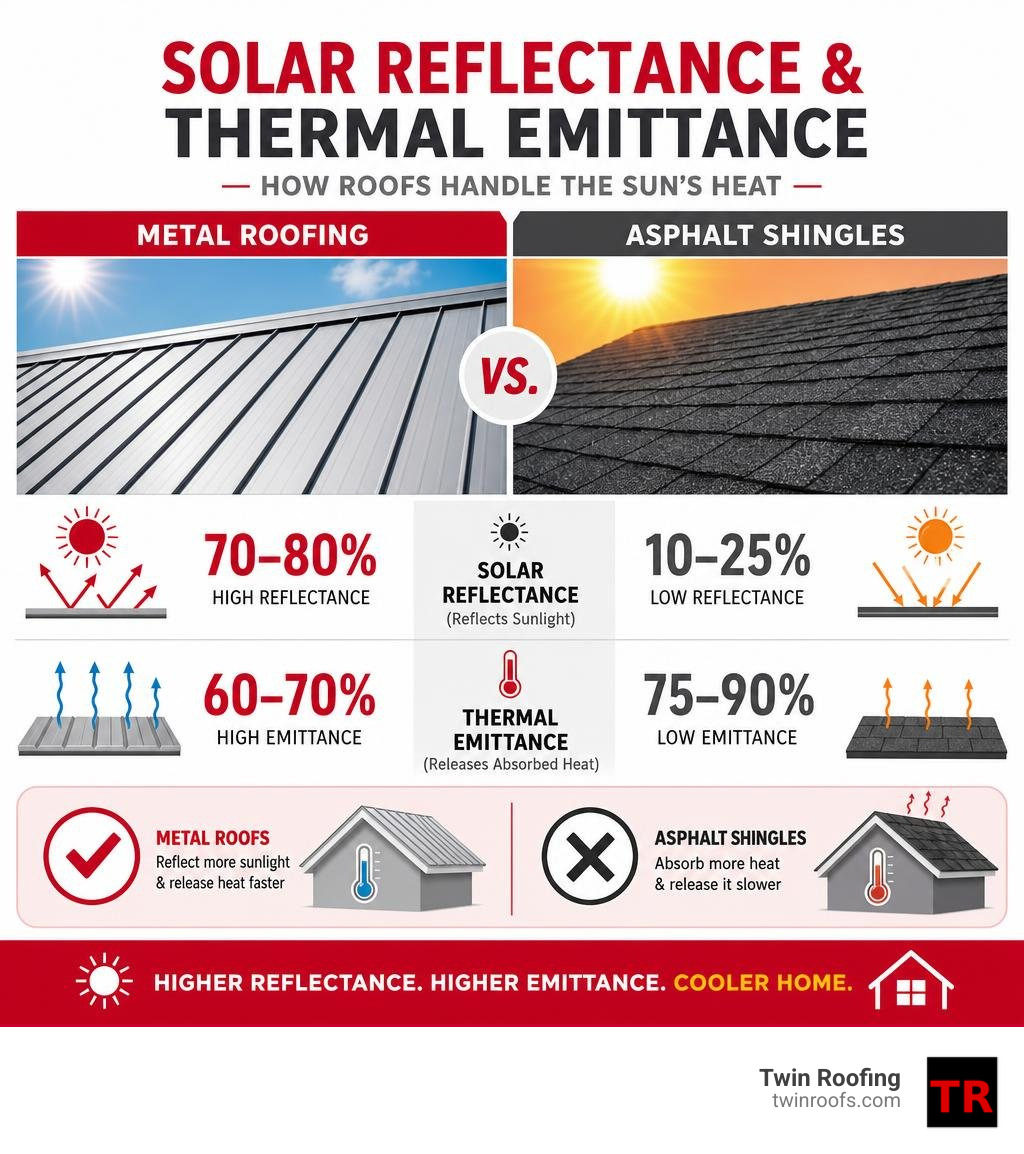
Solar Reflectance Index (SRI) and Thermal Emittance
When evaluating roofing materials, scientists and manufacturers use a metric called the Solar Reflectance Index (SRI). SRI is a scale from 0 to 100 that measures a roof’s overall ability to reject solar heat. It combines two critical factors:
- Solar Reflectance (Albedo): The percentage of solar energy reflected away from the roof surface.
- Thermal Emittance: The material’s ability to radiate away the heat it does absorb.
A standard black asphalt shingle has an SRI of about 1. It reflects almost no light and struggles to emit heat efficiently. Conversely, a black metal roof coated with silicone-modified polyester can have an SRI of around 31. If you upgrade to a highly reflective white metal roof, the SRI can soar to 84 or higher.
This means that even in darker colors, metal outperforms asphalt due to its superior albedo effect and rapid heat dissipation. For a deeper dive into how these properties protect your home, check out our Shingle vs Metal Roofs Survival Guide.
Surface Temperature vs. Heat Transfer Into the Home
There is a common misconception that because a metal roof can feel scorching to the touch, it must be heating up the inside of the house. In reality, the opposite is true.
Because metal roofs reflect 70% to 80% of solar energy, they prevent the vast majority of radiant heat from ever penetrating the roof deck. Asphalt shingles reflect only 10% to 25% of sunlight, absorbing the rest. This absorbed energy creates a massive thermal load on your attic.
When asphalt shingles reach temperatures of 150°F to 190°F, they push attic temperatures 30°F to 50°F above the ambient outdoor temperature. A high-quality metal roof keeps attic spaces 15°F to 25°F cooler, reducing the heat transferring into your living spaces and keeping your family comfortable. For more details on why this thermal barrier is so effective, read about Why Your Next Roof Should Be Metal.
Comparing Thermal Performance: Metal vs. Asphalt Shingles
When comparing these two popular roofing options, looking at the raw data helps clear up any lingering myths. The table below outlines how standard asphalt shingles stack up against various metal roofing options under typical summer conditions.
| Performance Metric | Standard Asphalt Shingles | Unpainted Metal Roof | Cool-Coated Metal Roof |
|---|---|---|---|
| Solar Reflectance | 10% – 25% | 60% – 66% (Initial) | 70% – 80% |
| Thermal Emittance | 0.90 | 0.10 – 0.25 (Low) | 0.85 – 0.90 (High) |
| Peak Surface Temperature | 150°F – 180°F | Up to 145°F | 110°F – 123°F |
| Attic Temperature Impact | Up to 140°F+ | Approx. 115°F | Approx. 100°F or lower |
| Nighttime Heat Retention | High (Releases slowly) | Extremely Low (Cools instantly) | Extremely Low (Cools instantly) |
Why a Metal Roof Is Not Hotter Than Shingles in Summer Conditions
During the peak of summer, surface temperatures on traditional asphalt roofs can easily climb to a blistering 168°F. In identical weather conditions, an unpainted metal roof will top out around 145°F.
That is already a noticeable difference, but when you look at metal roofs coated with heat-reflective paint, the gap widens even further. These specialized coatings can make the metal feel up to 42% cooler than unpainted options, keeping surface temperatures closer to a mild 110°F to 120°F.
Because metal has low thermal mass, it cannot store heat. The moment a cloud blocks the sun, the metal surface temperature drops immediately. Asphalt shingles, however, act like bricks in a wood oven—they store that heat and continue baking your home long after sunset, forcing your air conditioner to work overtime well into the night.
To learn more about how different materials handle extreme heat, check out What’s more energy efficient for warmer climates: shingles or a metal roof?.
How Roof Color and Coatings Affect Heat Performance
Color plays a major role in how both materials handle heat, but metal still holds the advantage across the entire color spectrum.
A bright white metal roof is the ultimate champion of energy efficiency, reflecting about 67% of solar heat and staying up to 50°F cooler than a dark asphalt roof on the same day. However, even if you prefer darker, modern aesthetics, you do not have to sacrifice comfort.
Modern metal roofing panels are treated with advanced, cool-roof pigments. These specialized coatings are formulated to reflect infrared light (which carries heat) while still displaying the rich dark bronze, forest green, or charcoal gray colors you love. This means a dark metal roof will still run significantly cooler than a dark asphalt shingle roof.
To explore the color and finish options available for your home, take a look at our guide on Steel Yourself for the Best Types of Metal Residential Roofing.
The Role of Insulation, Ventilation, and Air Gaps
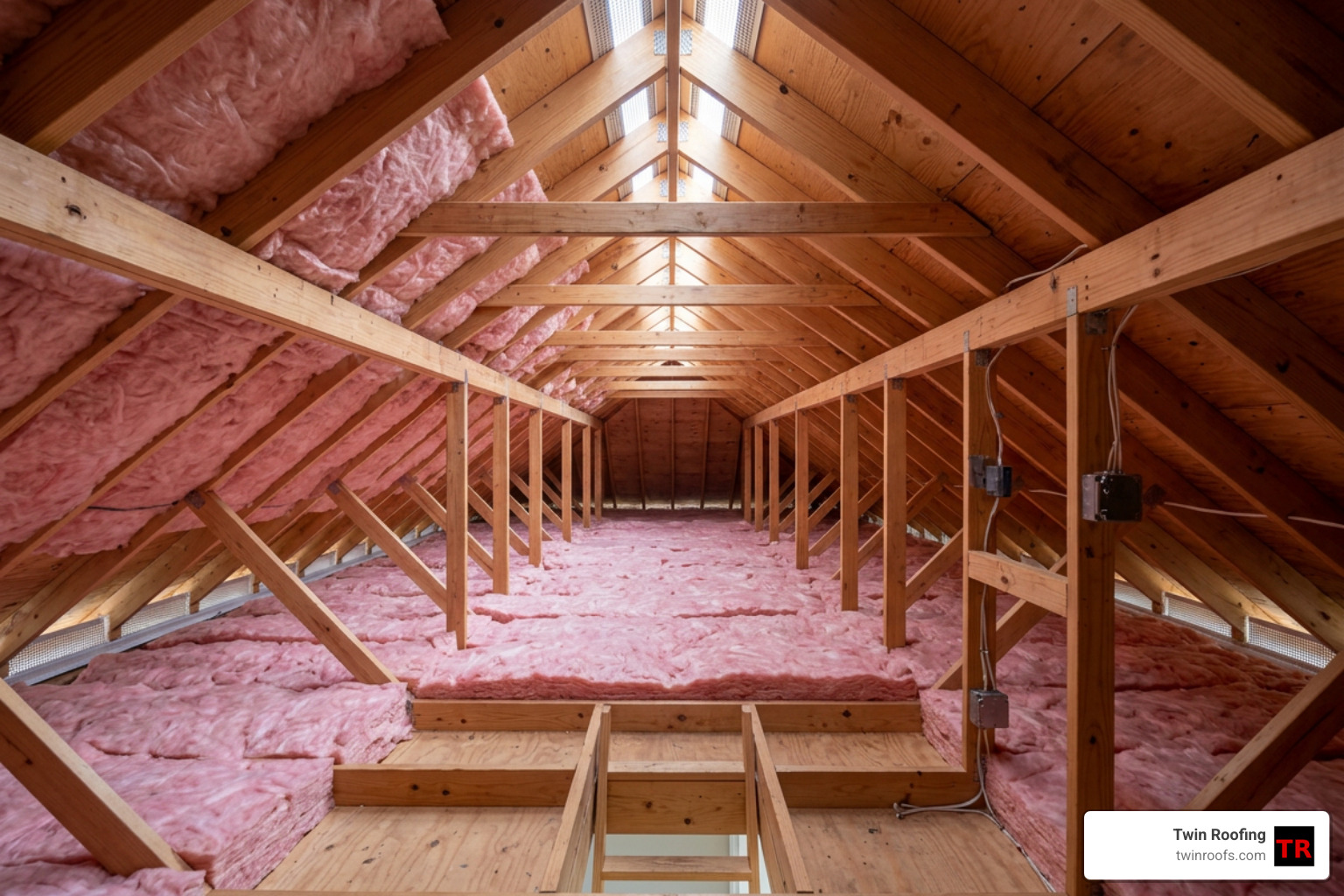
While the roofing material itself is highly important, a roof is a complete system. To maximize energy efficiency, your roof must work in harmony with proper insulation, attic ventilation, and strategic physical air gaps.
Attic Ventilation and Above-Sheathing Air Gaps
One of the secret weapons of a cool metal roof is a concept called Above-Sheathing Ventilation (ASV). When we install a standing seam metal roof, we often mount it over a system of battens or spacer channels. This creates a 1-to-2-inch air gap between the metal roofing panels and the underlying wooden roof deck.
This air gap acts as a powerful thermal break. As the metal roof warms up, the air within this gap heats up and naturally rises, escaping through the ridge vents at the top of your roof. This continuous convective airflow carries heat away before it can ever conduct down into your roof sheathing.
When combined with standard attic ventilation—such as soffit vents pulling cool air in and ridge vents releasing hot air—this system ensures your attic space remains highly insulated from the summer heat. You can read more about these advanced installation techniques in The Ultimate Guide to Residential Standing Seam Systems.
Why Proper Installation Prevents a Metal Roof From Being Hotter Than Shingles
A metal roof is only as good as the team that installs it. Without precision engineering, proper underlayment, and correct ventilation design, even the highest-grade metal panels won’t perform at their best.
At Twin Roofing, we ensure that every metal roof is installed with high-quality synthetic underlayments and radiant barriers that block up to 97% of radiant heat transfer. We also meticulously calculate ventilation requirements to ensure your attic breathes perfectly, preventing moisture buildup in the winter and heat traps in the summer.
To see how we design these systems for maximum thermal protection, check out our dedicated page on Residential Metal Roof.
Long-Term Durability and Energy Efficiency in Hot Weather
In Eastern Massachusetts and Southern New Hampshire, our roofs have to endure a bit of everything—from heavy winter snows to sweltering, humid July afternoons. This constant thermal cycling puts incredible physical stress on your roofing materials.
Cooling Cost Savings and HVAC Efficiency
Installing a metal roof is one of the most effective ways to lower your home’s operational costs. According to data from the Cool Metal Roofing Coalition and the U.S. Department of Energy, a reflective metal roof can reduce your home’s cooling energy costs by up to 25% during the hottest summer months.
In fact, some homeowners in hot, sunny climates report saving up to 40% on their seasonal cooling bills. On average, this translates to savings of $50 to $150 monthly during peak summer months.
Because your attic stays cooler, your HVAC system doesn’t have to work nearly as hard to maintain a comfortable indoor temperature. This reduced workload extends the lifespan of your expensive air conditioning equipment, saving you even more money on repairs and early replacements. For more on the long-term structural benefits of metal, read about choosing a Durable Metal Roof.
Extreme Heat Degradation and Lifespan Comparison
Extreme heat and ultraviolet (UV) radiation are incredibly destructive to traditional asphalt shingles. Over time, constant exposure to high temperatures causes the oils in asphalt shingles to dry out. This leads to:
- Degranulation: Shingles lose their protective mineral granules, leaving the underlying asphalt exposed to the sun.
- Curling and Cupping: Shingles warp and lift at the edges, creating paths for water leaks.
- Thermal Cracking: The rapid expansion and contraction (thermal cycling) from day to night cracks the brittle shingles.
In hot conditions, a high-quality asphalt roof may only last 15 to 20 years before needing a complete replacement.
Metal roofs, however, are completely immune to UV degradation and do not dry out or crack. While metal does expand and contract with temperature changes, modern standing seam systems are installed with sliding clips that allow the panels to move naturally without putting stress on the fasteners or the structure.
As a result, a metal roof easily boasts a 50-to-70-year lifespan. To see how the weight and durability of these systems compare, check out Asphalt vs Metal: Debunking the Roof Weight Myth.
Upfront Costs vs. Lifetime Value in MA and NH
When deciding between these two materials, it is essential to look beyond the initial price tag and calculate the true lifetime value.
- Longevity: A metal roof lasts 2 to 3 times longer than asphalt shingles, meaning you will likely never have to buy another roof.
- Energy Savings: Shaving up to 25% off your summer cooling costs adds up to thousands of dollars in savings over the decades.
- Property Value: A metal roof can increase your home’s resale value by up to 6%, making it a highly attractive feature for future buyers.
- Insurance Discounts: Many insurance companies in MA and NH offer discounts for homes with metal roofs due to their Class A fire rating and impact resistance.
- Environmental Impact: Metal roofs are made from recycled content and are 100% recyclable at the end of their life, whereas asphalt shingles contribute millions of tons of landfill waste annually.
To compare the long-term financial math of both options, read our detailed breakdown: The Real Cost of Metal Shingles vs Asphalt.
Average Installation Costs and 30-Year Total Cost Analysis
Let’s talk numbers. Please note that these are average costs based on publicly available internet data, and do not represent Twin Roofing’s actual pricing:
- Asphalt Shingle Roof Installation: The average cost is approximately $8,000, with typical project ranges spanning widely from $5,000 to $25,000+ depending on the size of the home and material quality.
- Metal Roof Installation: The average cost is approximately $18,000, with typical project ranges spanning from $12,000 to $60,000+ depending on the metal type (steel, aluminum, standing seam vs. corrugated) and architectural complexity.
While the upfront cost of metal is higher, let’s look at a 30-year total cost analysis for a typical 2,000-square-foot roof using these average internet data figures:
- The Asphalt Route: You pay an average of $8,000 (with ranges from $5,000 to $25,000) for your initial roof. Around year 15 to 20, you must pay another $12,000 to $15,000 (accounting for inflation) to replace it. Over 30 years, you also miss out on energy savings, costing you an extra $3,000 in utility bills. Total 30-Year Cost: ~$23,000 – $26,000.
- The Metal Route: You pay an average of $18,000 (with ranges from $12,000 to $60,000) upfront. Because the roof easily lasts 50+ years, you never pay for a replacement. Over 30 years, you save an average of $100 per summer month on your cooling bills, totaling roughly $3,000 to $4,500 in direct energy savings. Total 30-Year Cost: ~$13,500 – $15,000 (when factoring in lifetime energy savings).
When you look at the big picture, metal isn’t just an upgrade—it’s a smart long-term investment that eventually pays for itself.
Frequently Asked Questions About Roof Heat
Do metal roofs attract lightning?
No. This is a very common myth. Lightning is attracted to the highest point in an area, not the material of the structure. Because metal is non-combustible, a metal roof is actually much safer if lightning does strike, boasting a Class A fire rating that prevents the structure from catching fire.
Are metal roofs noisy during rainstorms?
Not when they are installed professionally on a residential home. In agricultural barns with exposed framing, rain on metal is loud. But on a home, the metal panels are installed over solid wooden decking, high-quality underlayment, and thick attic insulation. This creates a multi-layered barrier that dampens sound so effectively that you won’t notice any difference in noise levels between metal and asphalt.
Can solar panels be installed on both roof types?
Yes, but metal roofs are actually the superior platform for solar. If you have a standing seam metal roof, solar installers can use specialized brackets that clamp directly onto the raised seams. This means they can secure the solar panels without drilling a single hole through your roof, eliminating any risk of future leaks. Furthermore, because a metal roof lasts 50+ years, you won’t have to pay to detach and reinstall your solar panels for a roof replacement, which is a common and expensive headache for asphalt shingle homeowners.
Conclusion
So, is a metal roof hotter than shingles? The scientific verdict is clear: No. While metal may feel hot to the touch for a moment, its incredible ability to reflect solar radiation and quickly shed heat makes it far cooler and more energy-efficient than traditional asphalt shingles.
At Twin Roofing, we take pride in helping homeowners across Massachusetts and Southern New Hampshire find the perfect roofing system for their homes. Whether you decide to go with the timeless affordability of high-quality asphalt shingles or make a lifetime investment in a sleek, energy-efficient metal roof, our expert team is here to ensure your roof is installed with flawless craftsmanship and superior customer service. We want to emphasize that Twin Roofing installs asphalt roofs in MA and NH, ensuring top-tier protection regardless of the material you choose.
We proudly serve communities throughout Eastern Massachusetts and Southern New Hampshire, including Acton, Andover, Arlington, Bedford, Belmont, Beverly, Billerica, Brookline, Burlington, Carlisle, Chelmsford, Concord, Danvers, Dedham, Groton, Lexington, Lincoln, Lynnfield, Methuen, Natick, Needham, Newton, North Andover, North Reading, Peabody, Reading, Stoneham, Sudbury, Tewksbury, Wakefield, Waltham, Watertown, Wayland, Wellesley, West Roxbury, Westford, Weston, Wilmington, Winchester, Woburn, and Auburn, NH.
Ready to lower your energy bills and protect your home for the long haul? Request a free estimate today!
Twin Roofing services Eastern Massachusetts and Southern New Hampshire.
Follow us on Facebook — https://www.facebook.com/twinmetalsroofing
Follow us on Instagram – https://www.instagram.com/twinmetals/